Woodland
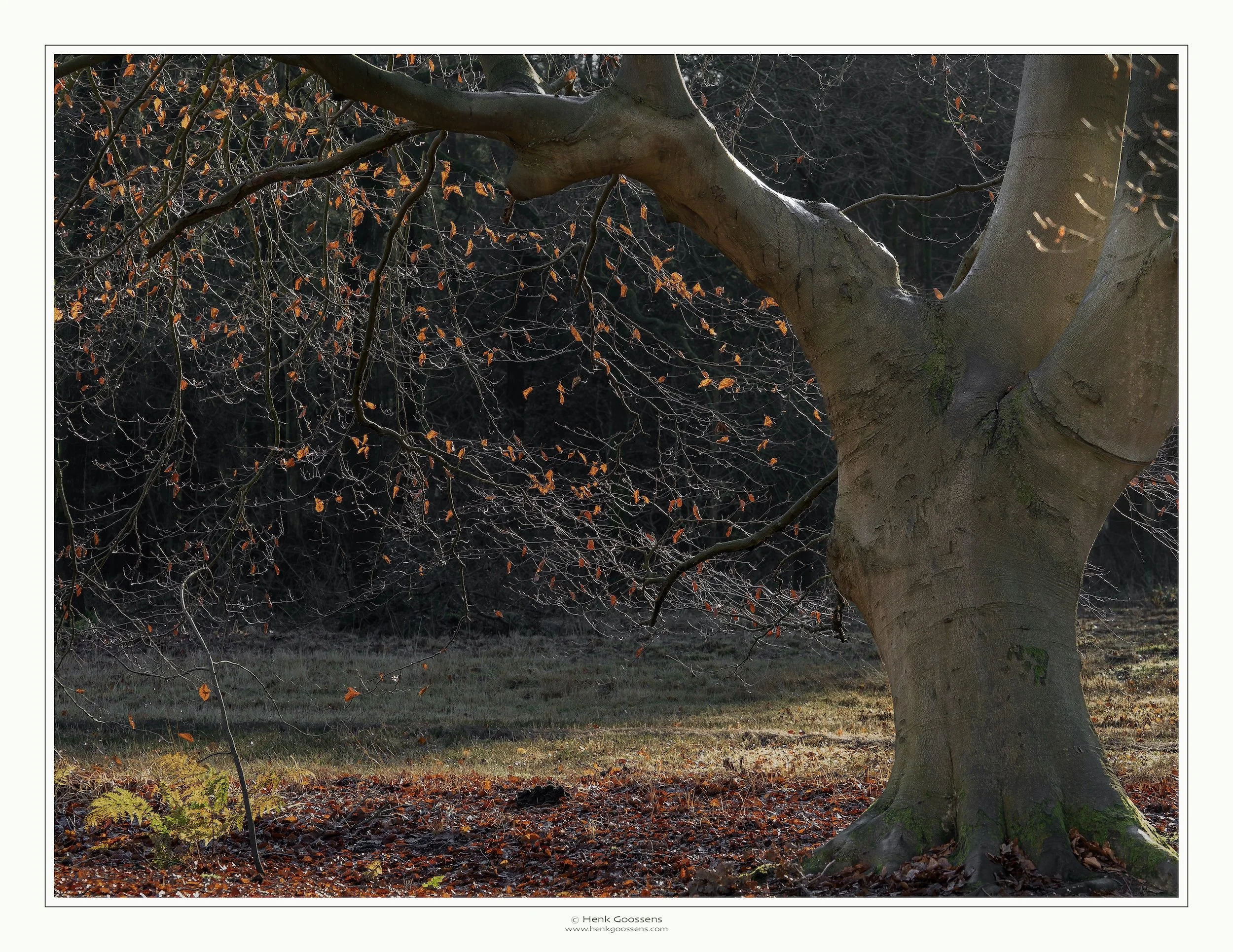
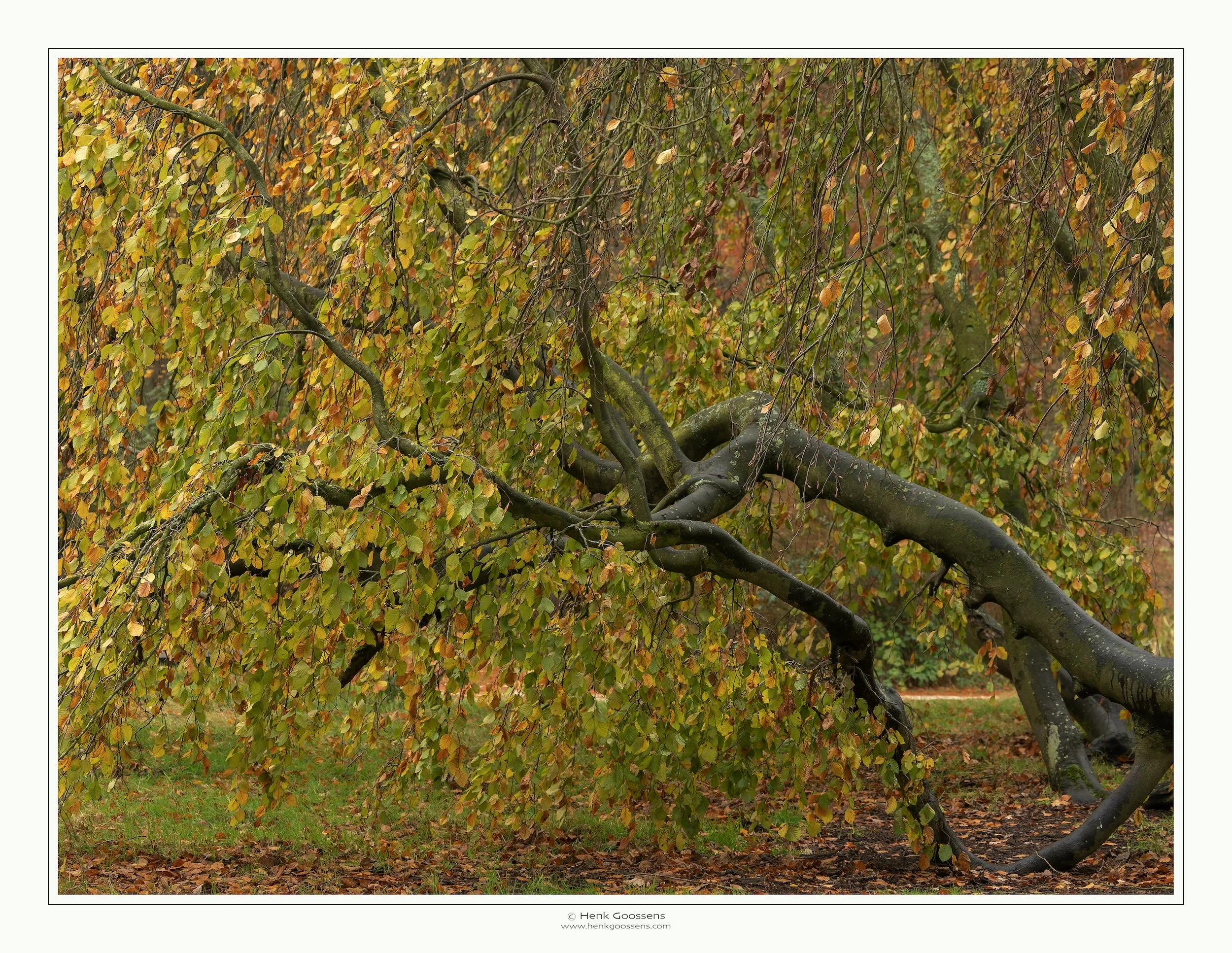
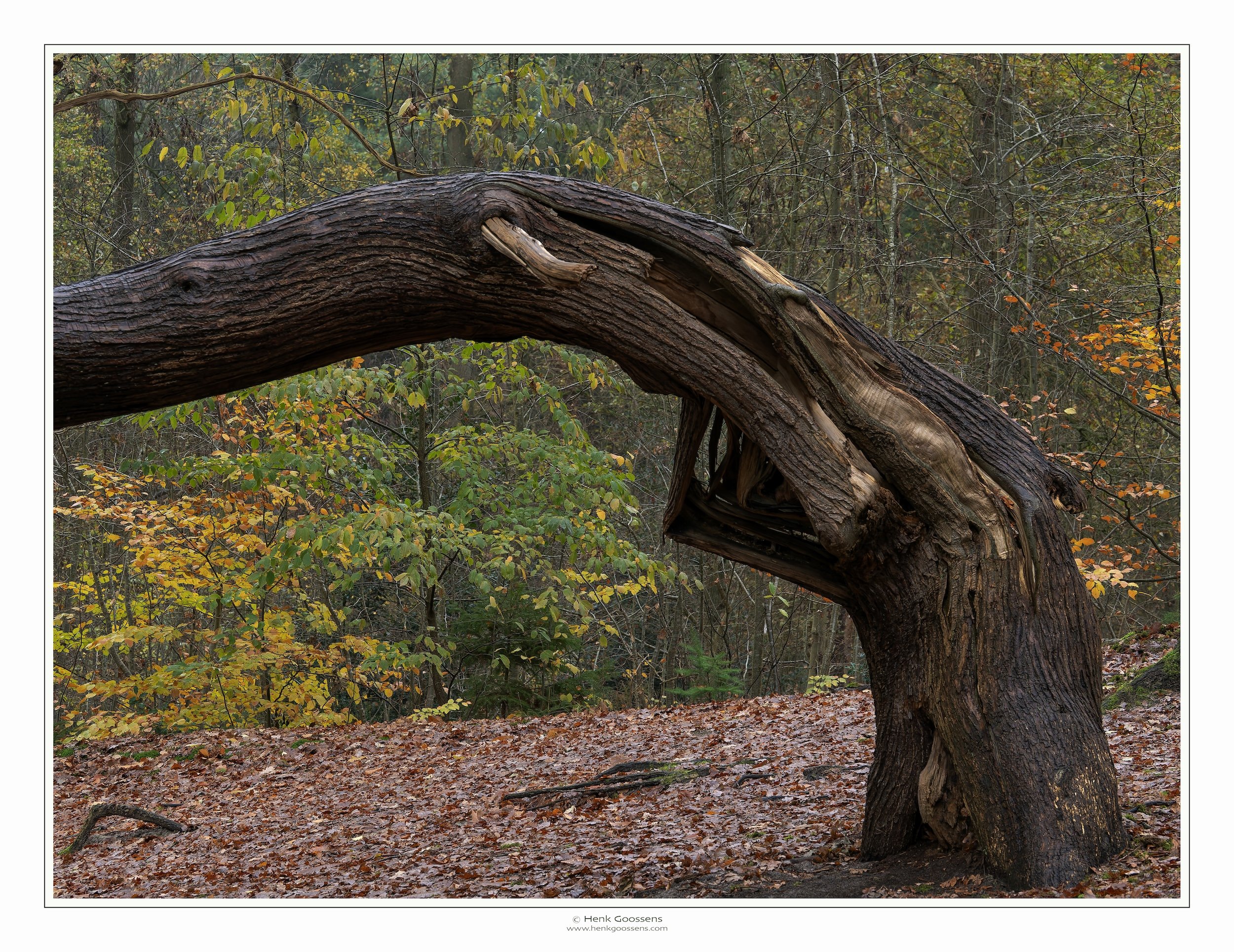
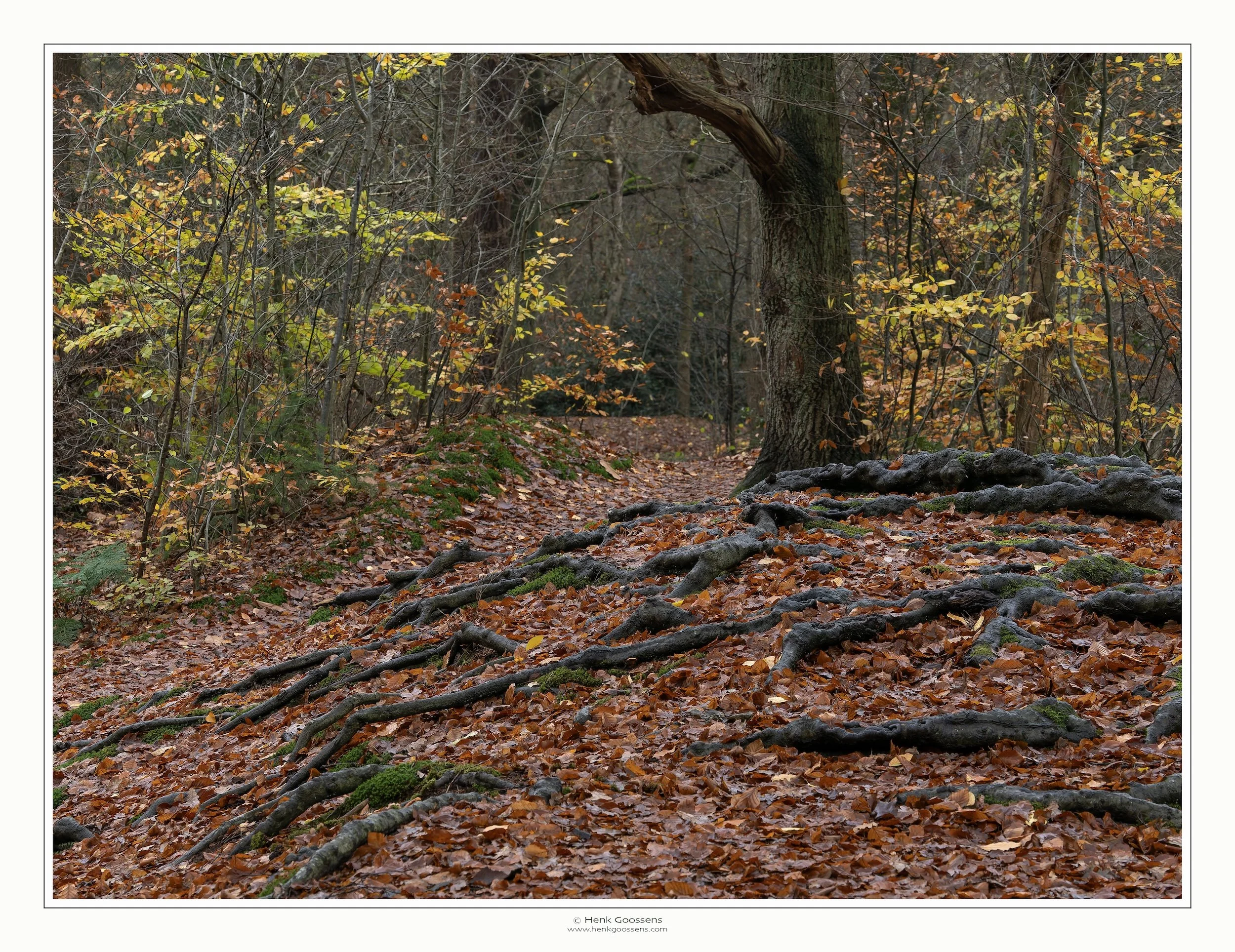
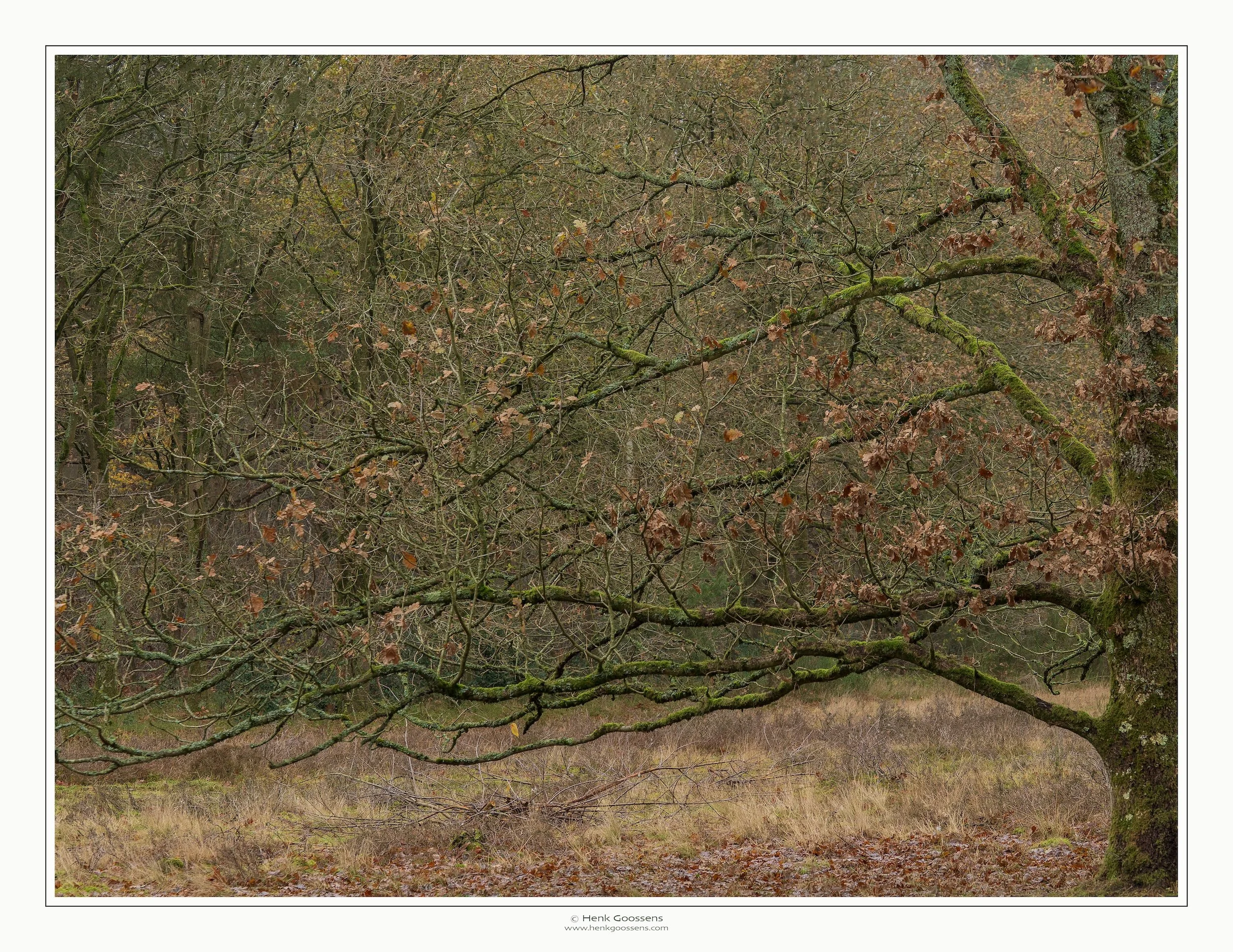
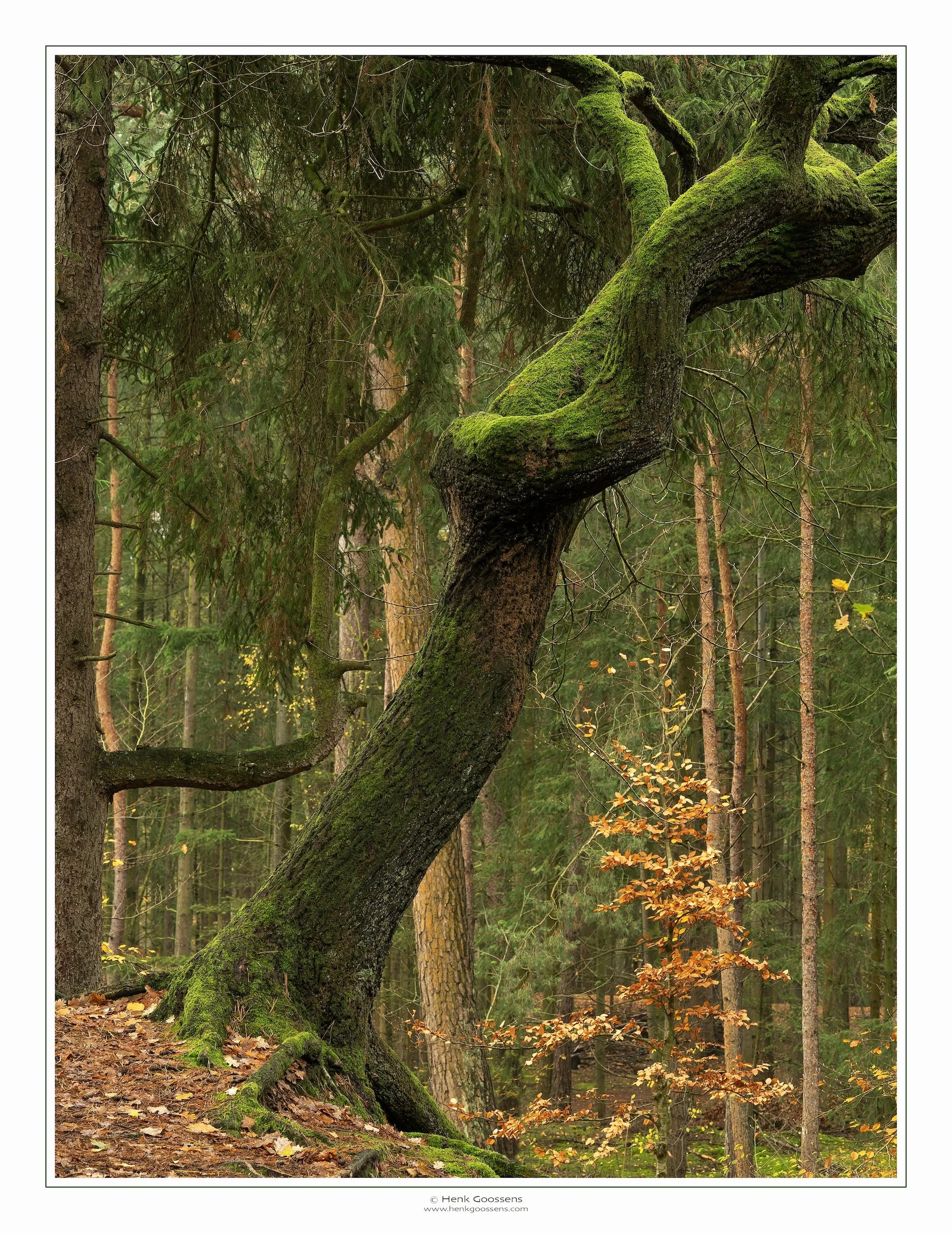
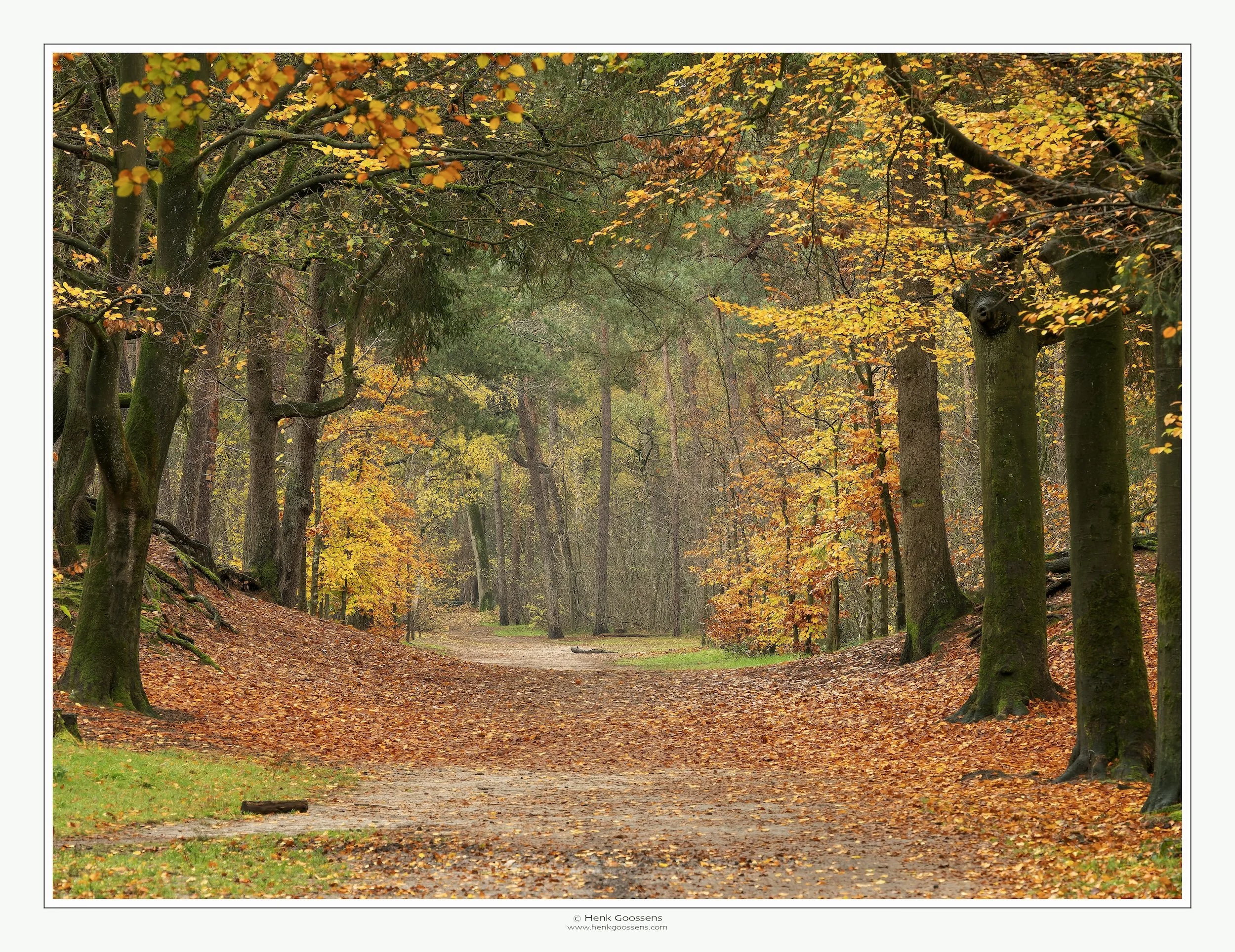
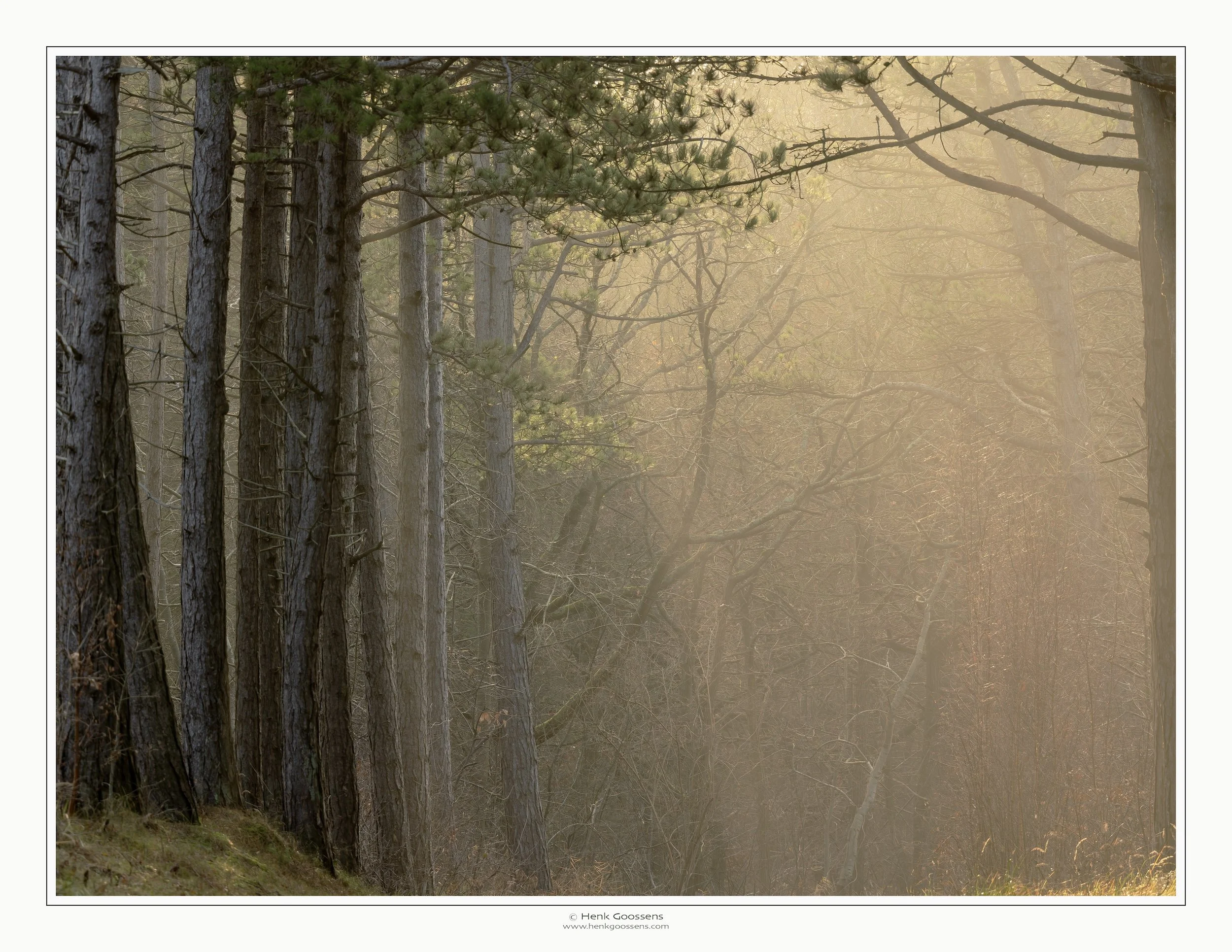
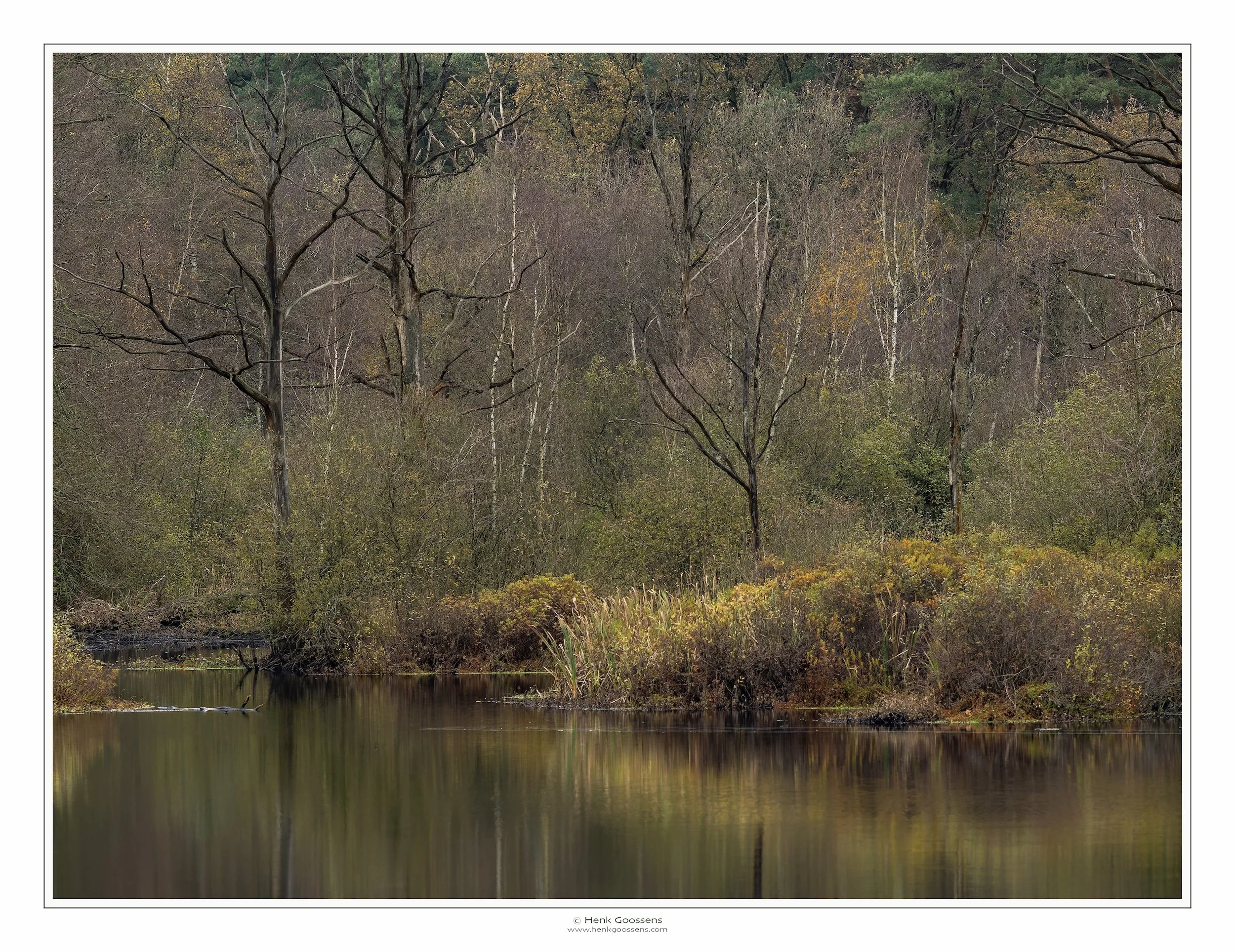
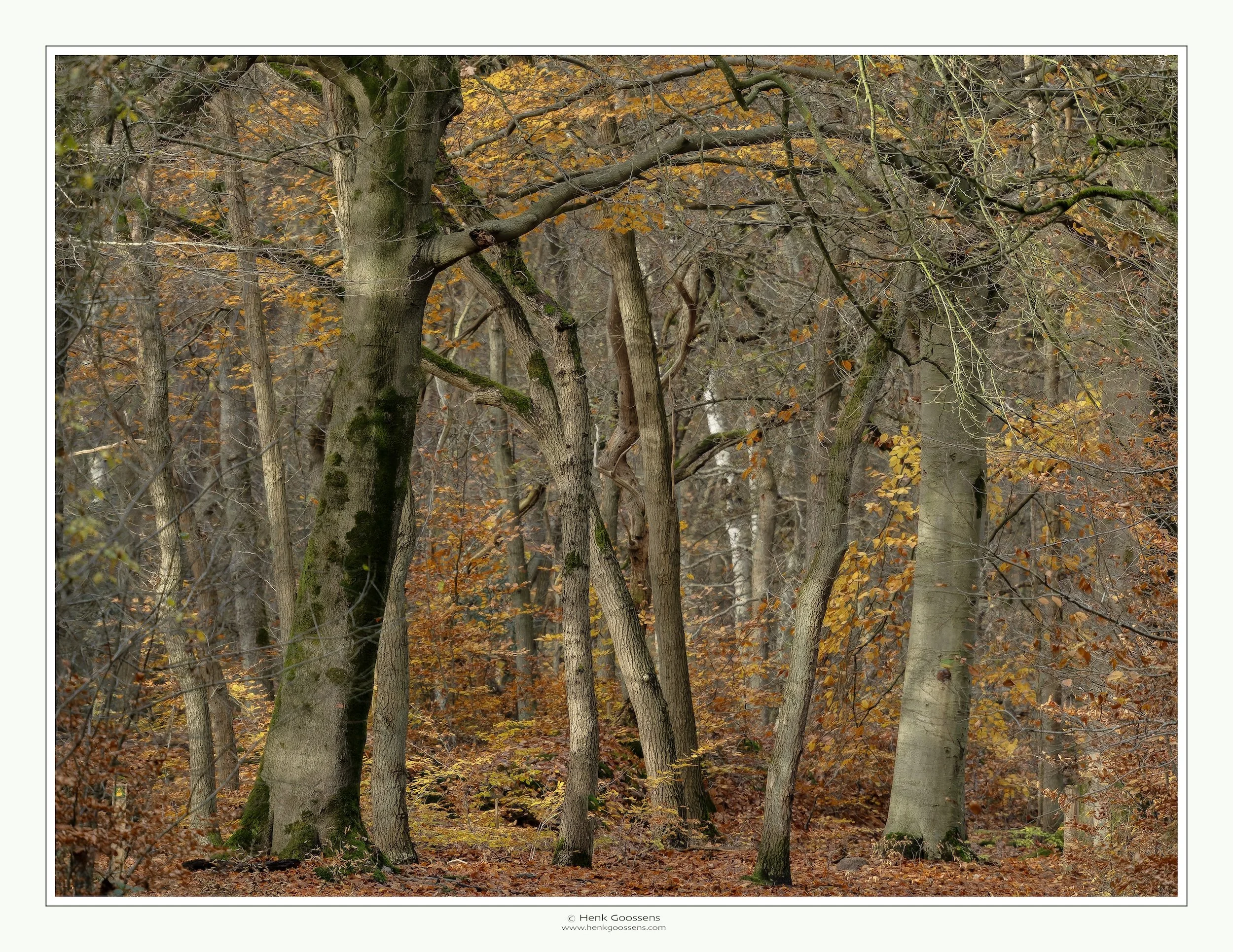
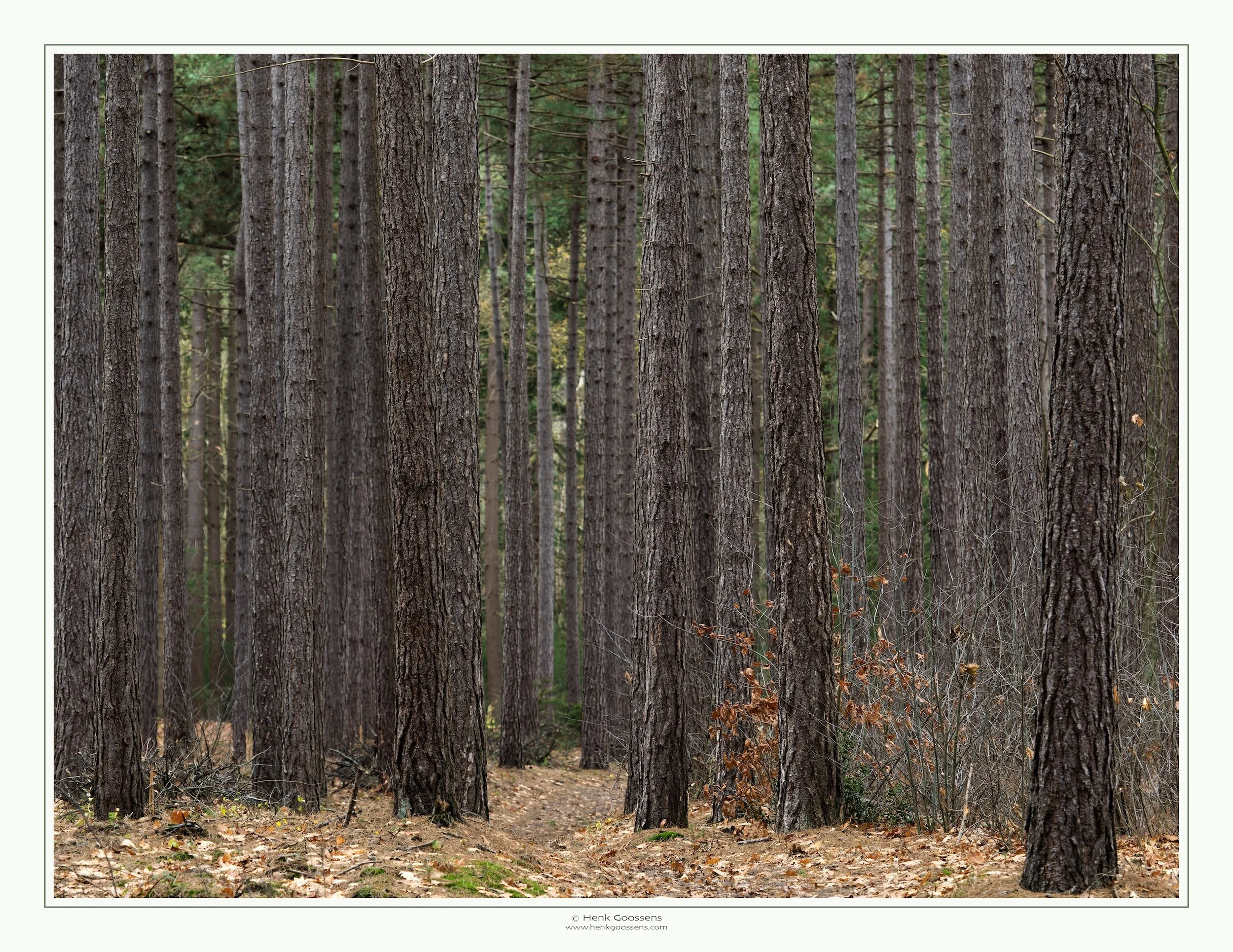
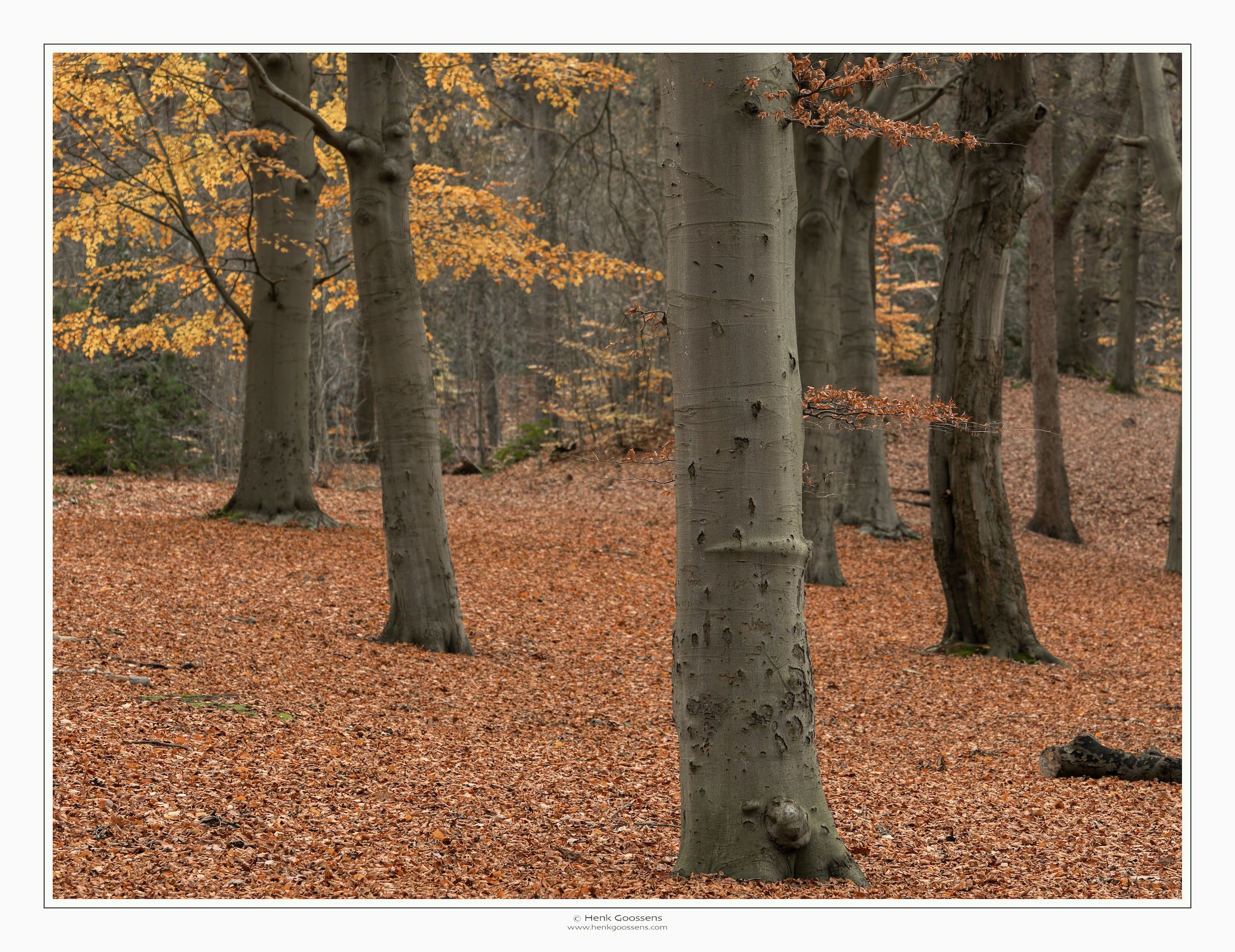
Last year, towards the end of autumn, I visited some woods just outside the town where I live. I’d just received the new M.Zuiko 50–200mm f/2.8 lens, so it was a great opportunity to try it out.
The light and weather weren’t on my side at that time of year; it was grey and damp. Nevertheless, I headed out into the countryside. I’m lucky to live fairly close to the woods, so I can get there quickly and easily, either by bike or on foot. I opted for the latter; it gives you more freedom of movement and is also good for your body and health.
It’s lovely to be in the woods very early in the morning; it’s still peaceful and quiet, apart from the birdsong and the rustling of the leaves. The birds are mainly blackbirds, robins, wrens, a few species of finch, as well as crows. With a bit of luck, you might also spot the lesser spotted woodpecker, thrushes and starlings. The squirrels are there too, but unfortunately I don’t spot any on my walks. Some patches of ground conceal the common frog, which is on its way to its winter shelter. A little further on, where the sound of traffic is very audible, three roe deer dart into the dense undergrowth. And off they go, disappearing from view, but such an encounter remains magical. The colours of the autumn leaves are intensely saturated.
The trees found in this section include birch, oak, beech and the occasional lime tree. The Scots pine is also present.
Typical species include ferns, mosses, young trees (regrowth) and blueberries, depending on the amount of light and the soil type. This part of the forest is also visited in autumn by funghi hunters and macro photographers because it is home to many species found nowhere else in the Netherlands. I’m looking for solitary trees with character, but there aren’t many of those in this part. It’s lovely to walk so early in the morning; the forest also has a distinct scent at this time of year. I do like the scent, which is very earthy.
Autumn remains my favourite time of year to visit the woods. Coming back to my new purchase, the M.Zuiko 50-200mm f/2.8, it’s a superb lens with a range of uses in the field, from near-macro to zoom. It’s incredibly versatile. Highly recommended and well worth the money.
All the photos were taken with the OMsystem OM-1 Mark II and the M.Zuiko 50-200mm f/2.8 IS Pro.
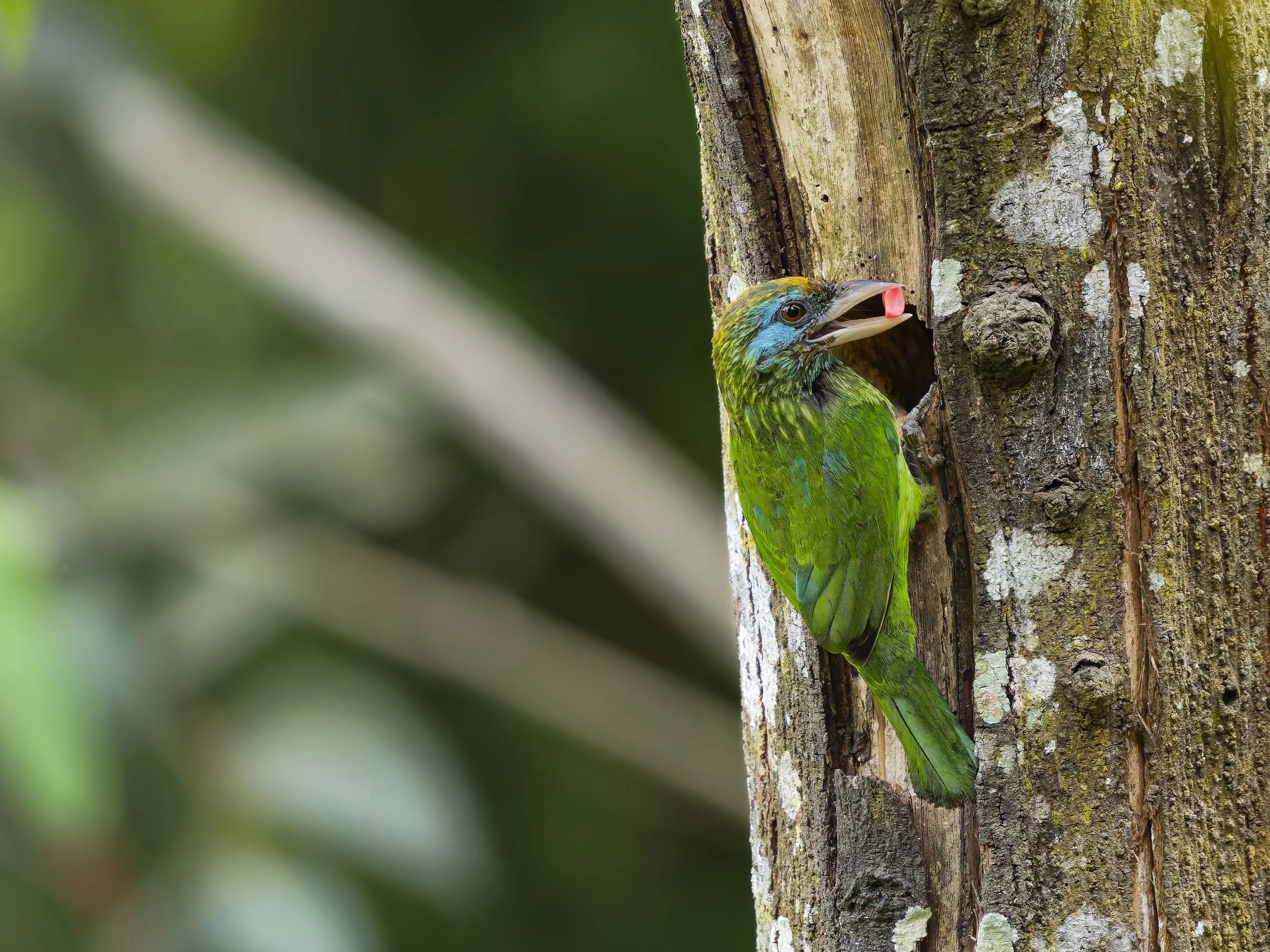
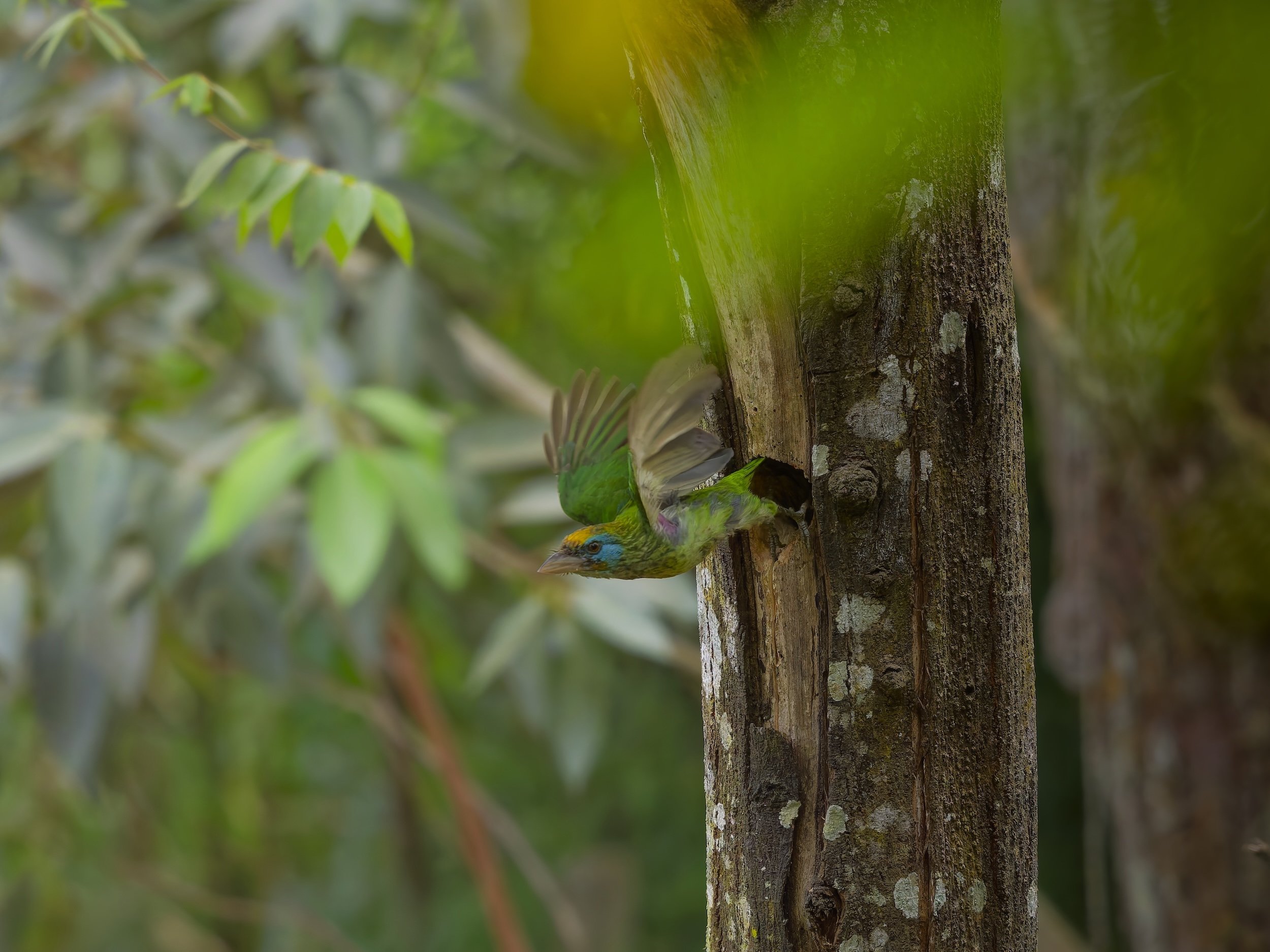
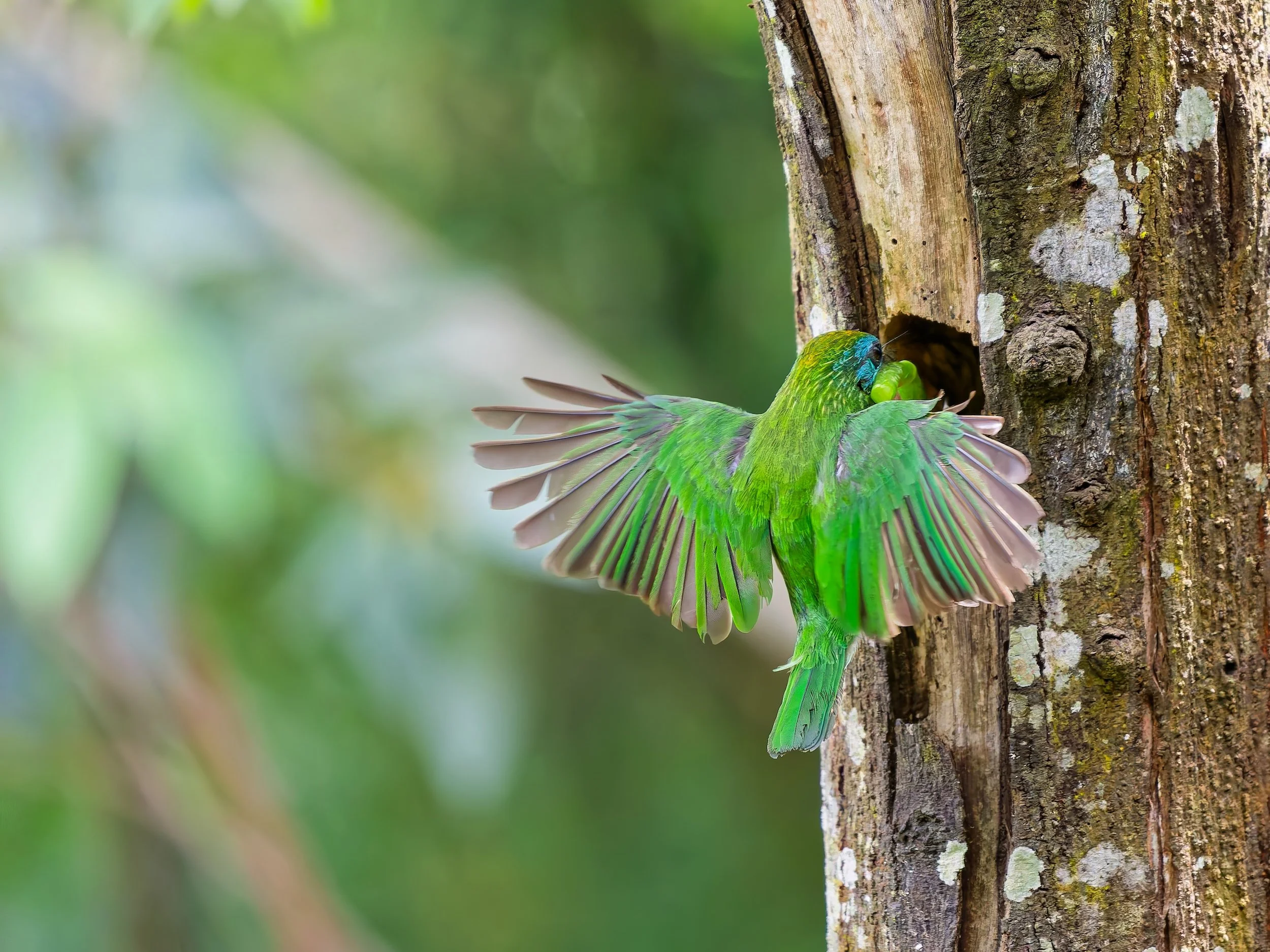
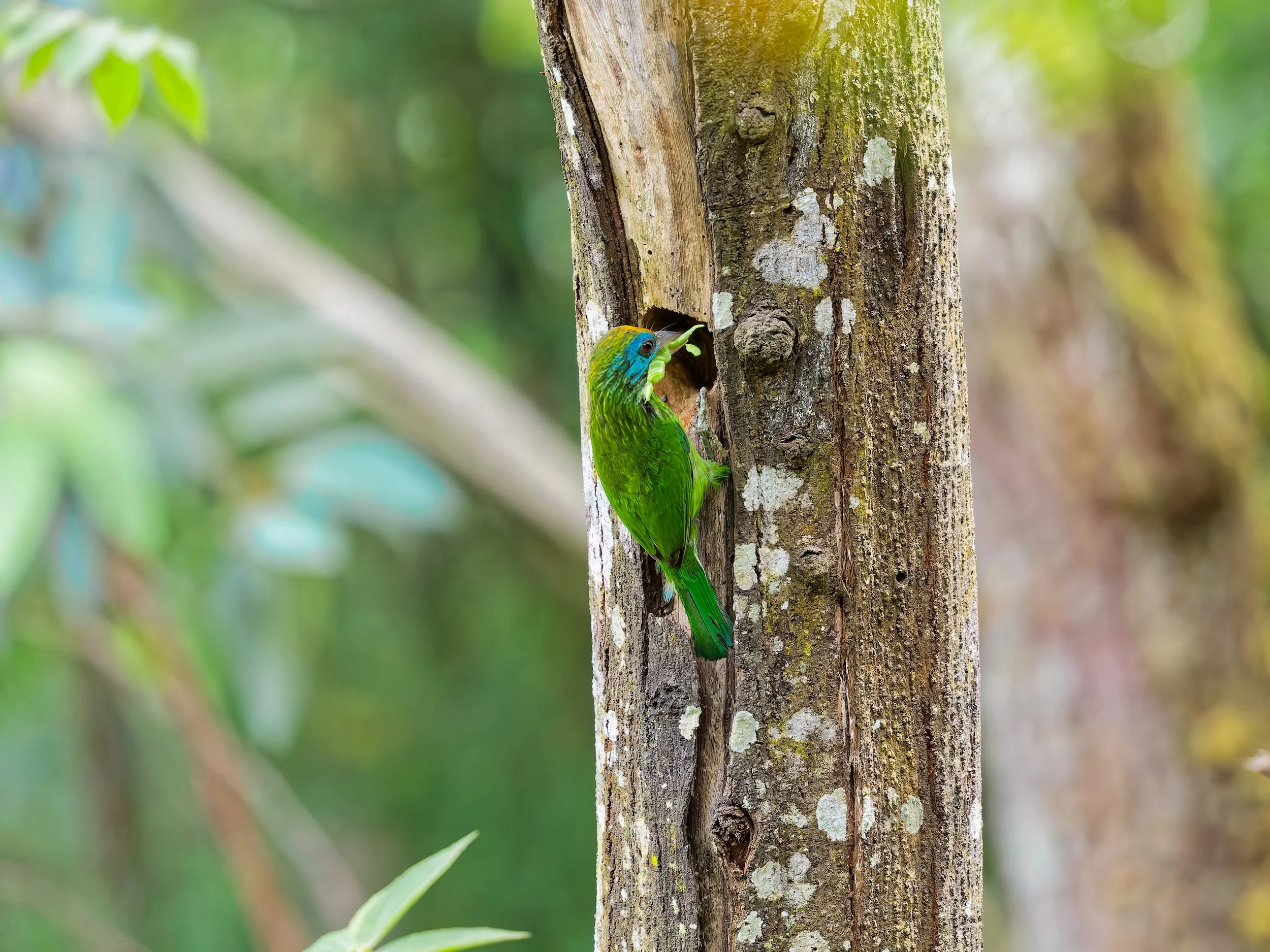
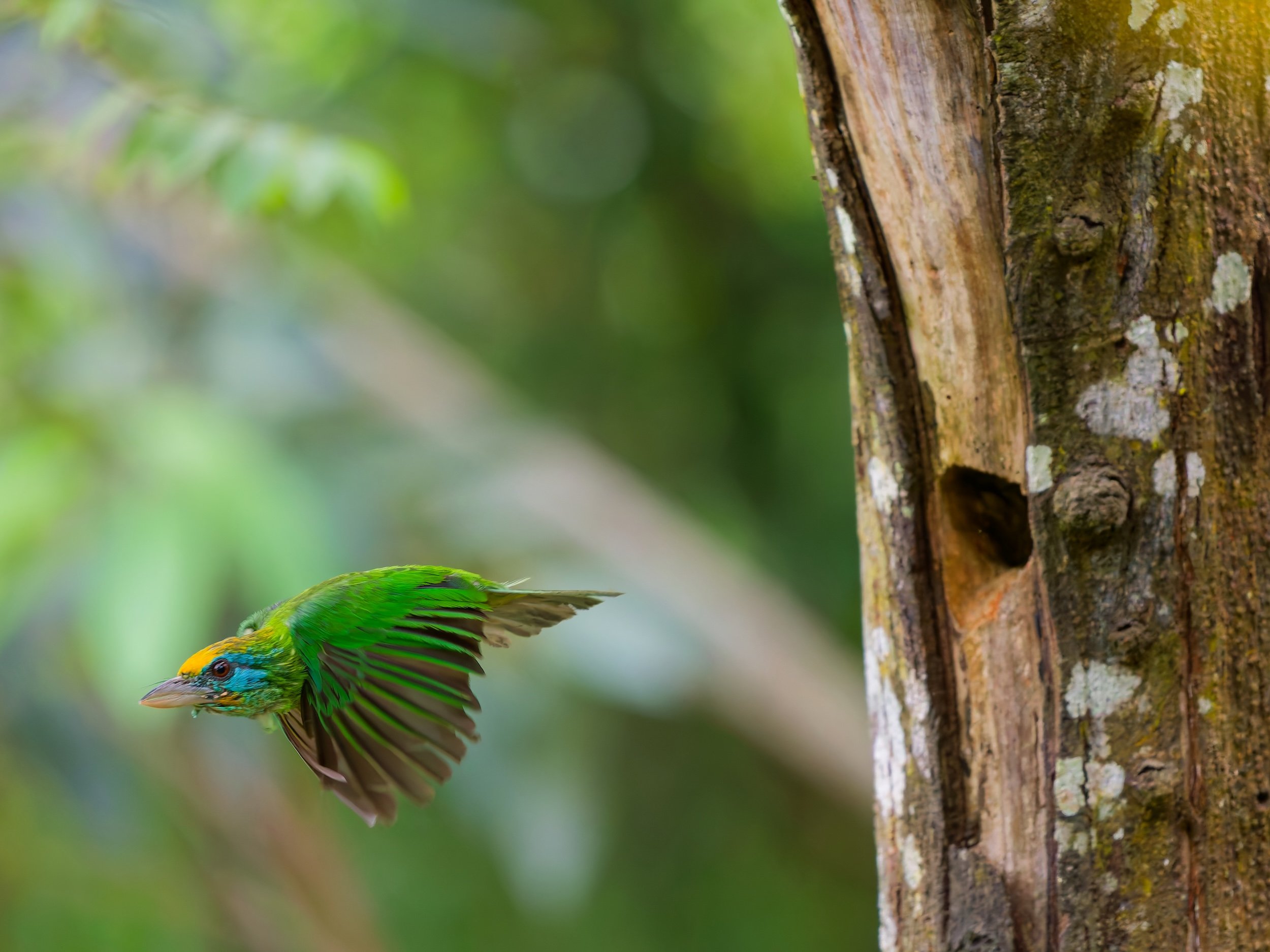
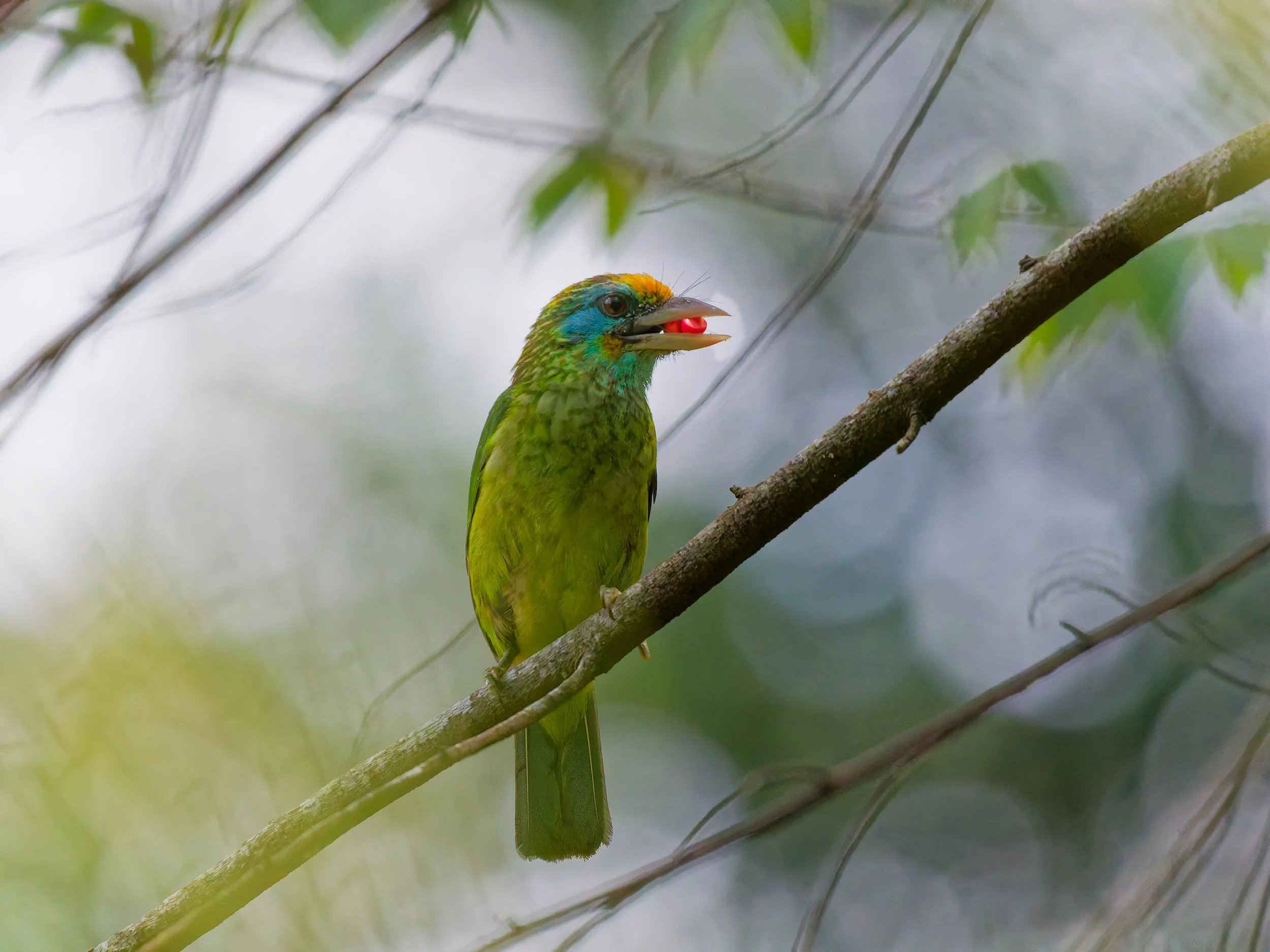
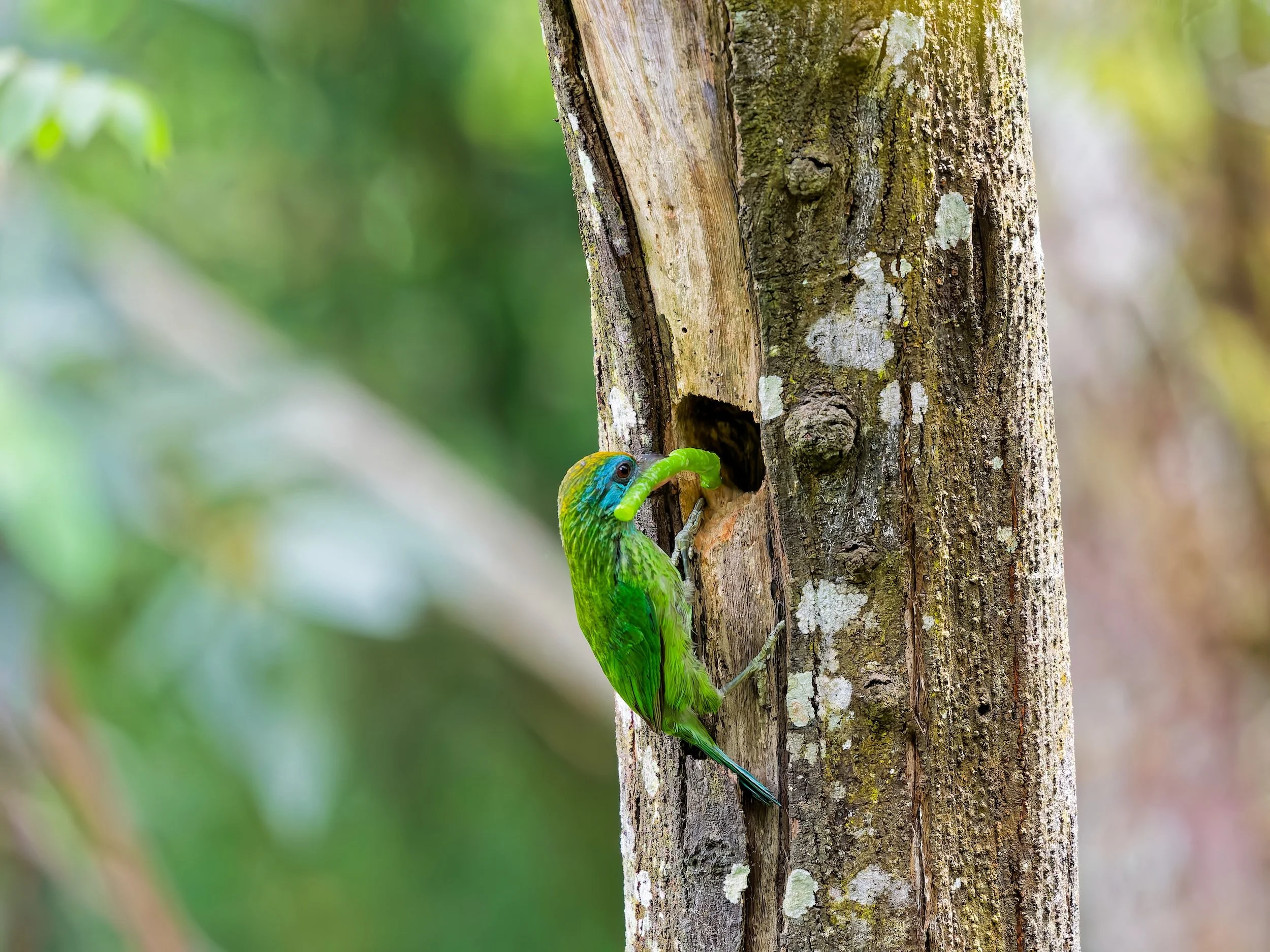
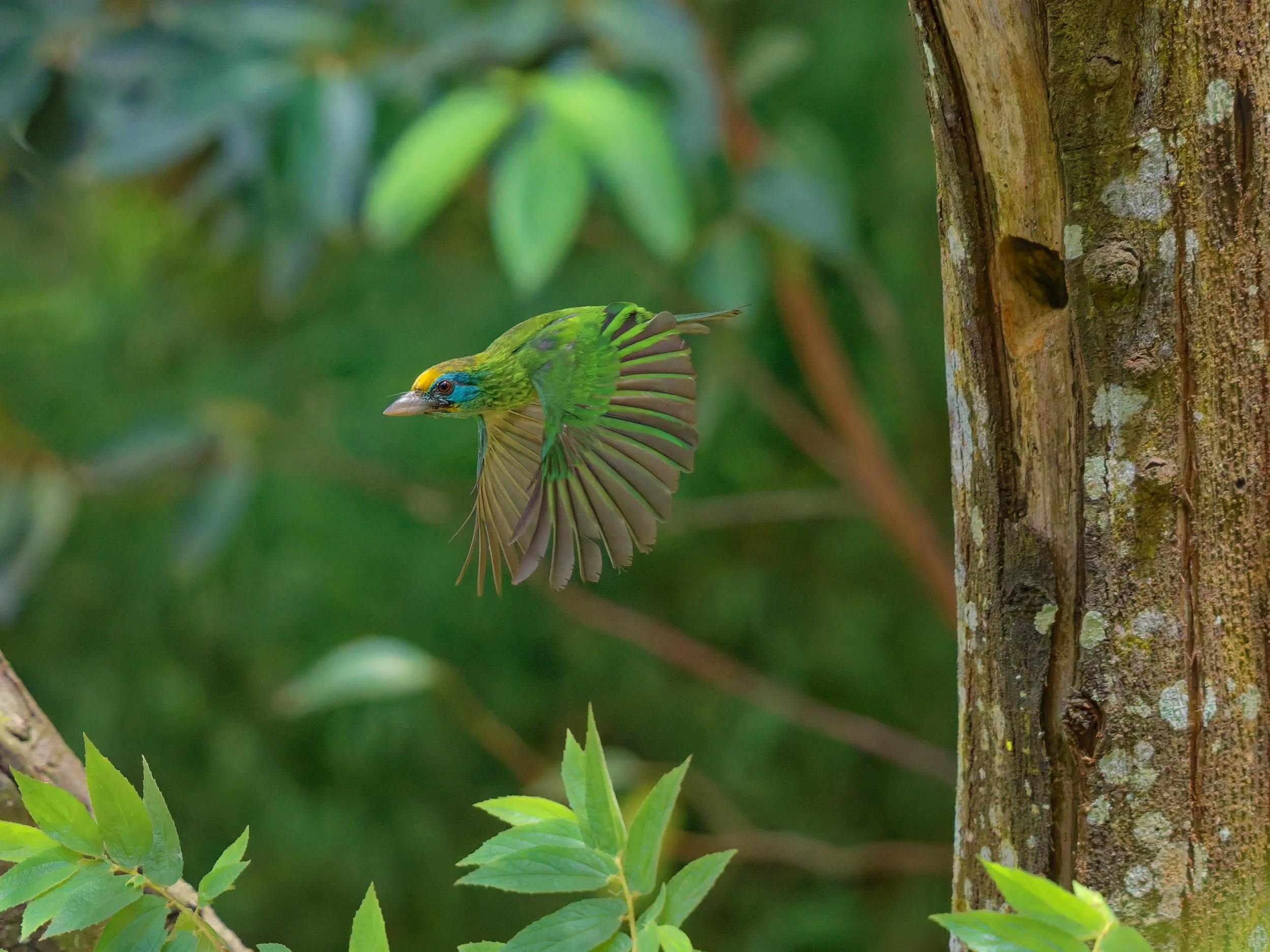
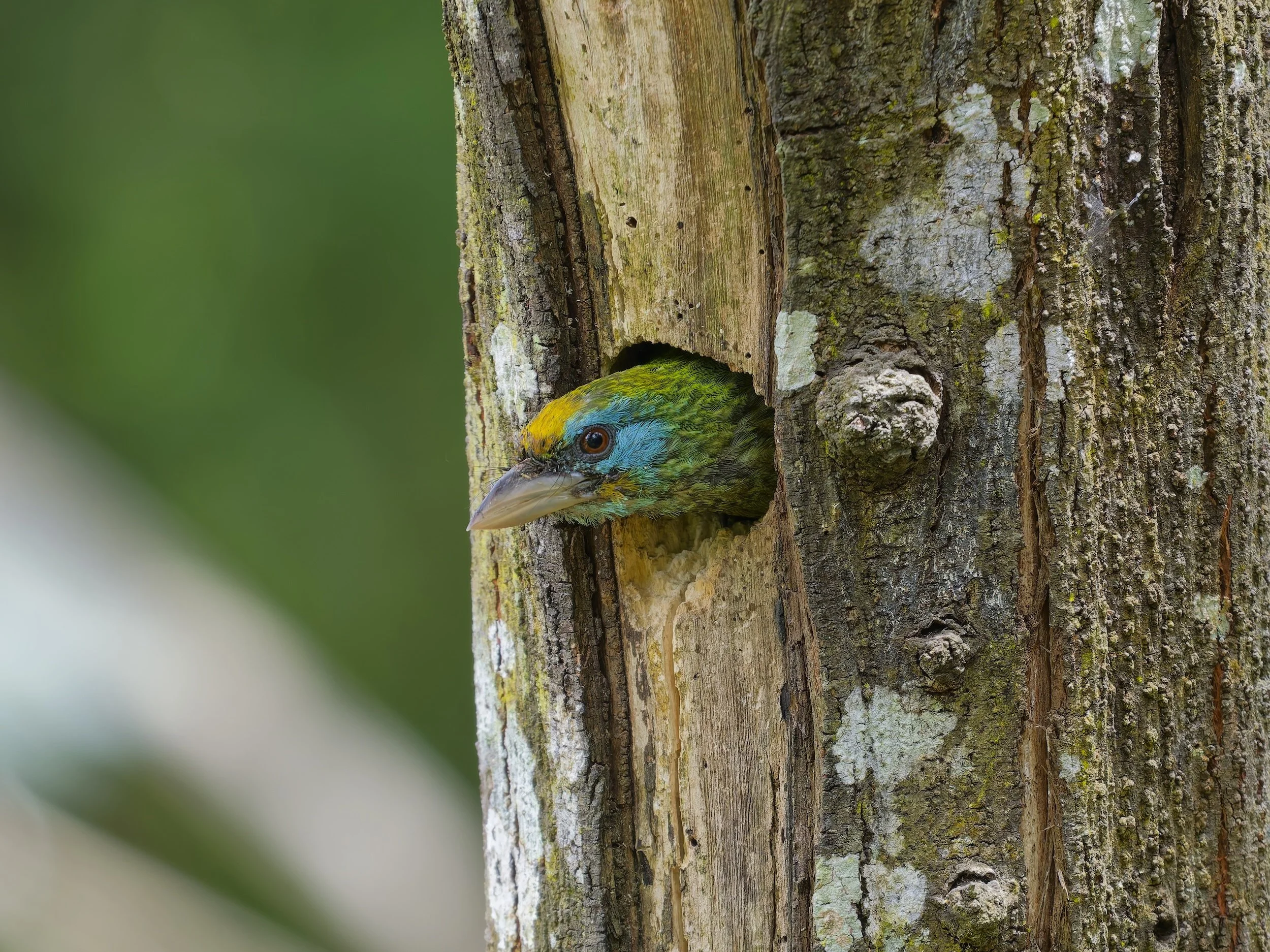
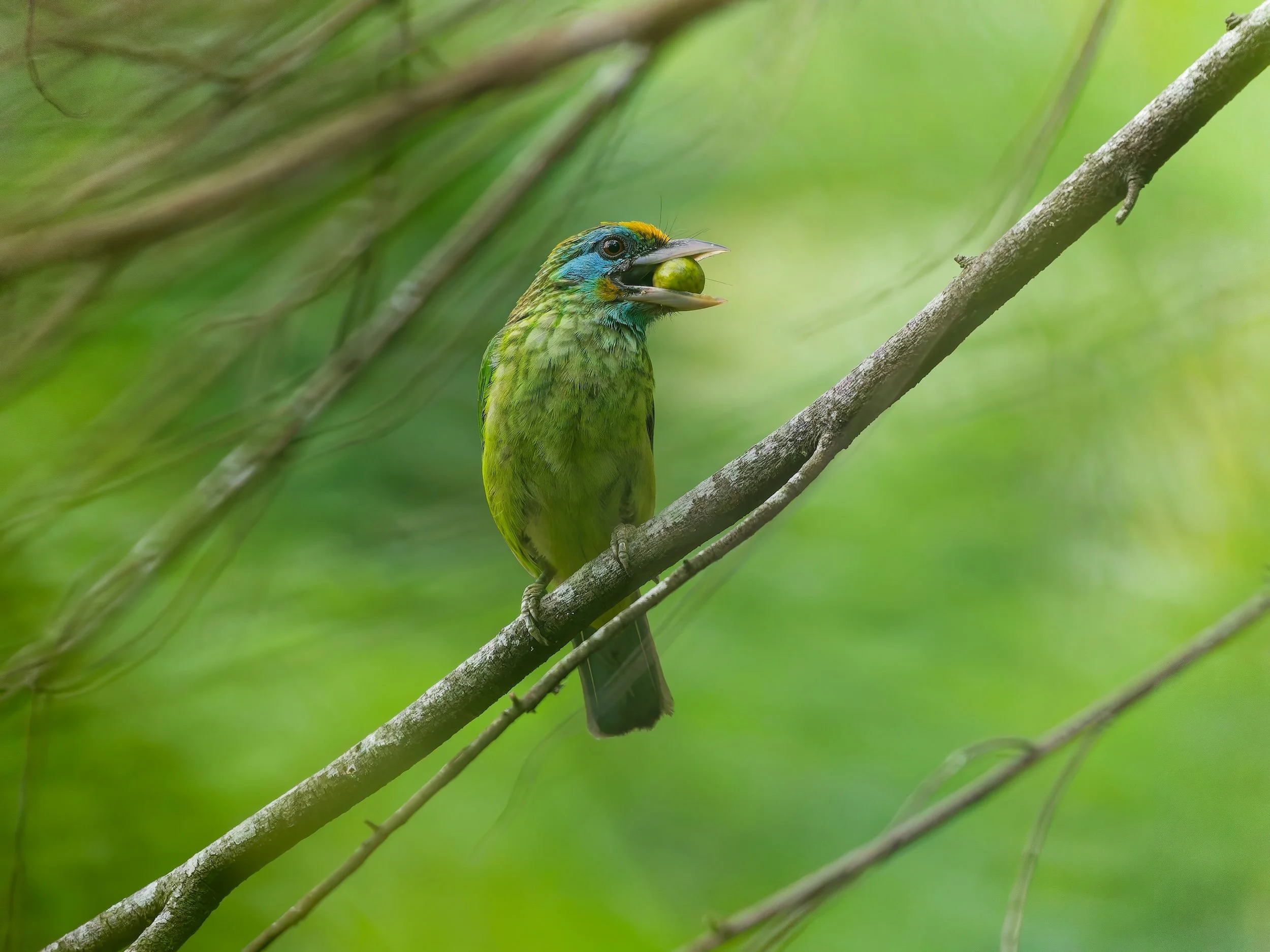
The breeding Yellow Fronted Barbets.
The Yellow-fronted Barbet is an endemic which is widely distributed in the well wooded areas and forests of the wet zone and the hills up to 2000 metres. It also occurs sporadically in the forests of the Eastern Dry zone foot hills. It is a smaller bird than the familiar Brown-headed Barbet with a shorter lead coloured beak, a distinctive bluish face and golden-yellow forehead. It is commonly encountered within its range. Its distinctive metallic call ‘qui-ock, qui-ock’ uttered continuously allows it to be located without much difficulty though it is a bird of the canopy where its green plumage blends well with the surroundings. This call, though somewhat similar to a Brown-headed Barbet’s, is easily distinguished due its higher pitch. Often the call is preceded by a rolling, high-pitched ‘krrrrrr’. It usually associates as a pair which keep in touch by calling.The Yellow-fronted Barbet is a fruit eater spending much time looking for these. Animal matter are also taken occasionally, especially when young have to be fed.In common with other barbets, this species too nests in tree holes. The nest-hole is excavated by the birds themselves, usually into a vertical, decayed or semi decayed branch or stump. The usual height is from 3 to 10 metres or more. However, occasionally the birds nest very low, digging into wooden fence posts etc, as low as two metres from ground level. Both adults partake in nesting duties. The nest hole is dug in about two weeks, incubation takes another two weeks while the young stay in the nest for about five to six weeks. The opening of the nest hole is neat and circular. The usual nesting period usually is from February till about May with a secondary season in August-September. The young are like the adults but duller. The eggs which are two to three in number are white in colour.I’ve been observing the parents’ movements from a suitable distance for a few days now, to minimise disturbance as much as possible. Both parents fly back and forth to feed their hungry chicks. They mainly bring fruit and caterpillars, roughly every 10 minutes. It’s a full-time job for both parents. It’s easy to observe these birds’ behaviour; they’re always looking around for any potential dangers or threats. On average, I observe them for between one and one and a half hours with my camera. The nest is situated about 2.5 metres above the ground. It was hollowed out by woodpeckers and further refined by the parents. It’s a fruit tree with green berries, and when they’re ripe, the birds peck them straight from the tree. It’s a joy to watch these birds.Gear used,OM-1 MKII + 150-400mm f/4.5 Pro TC 1.25. Settings are M Mode with automatic white balance and auto ISO as ProCap SH2.