Back to country life and nature.
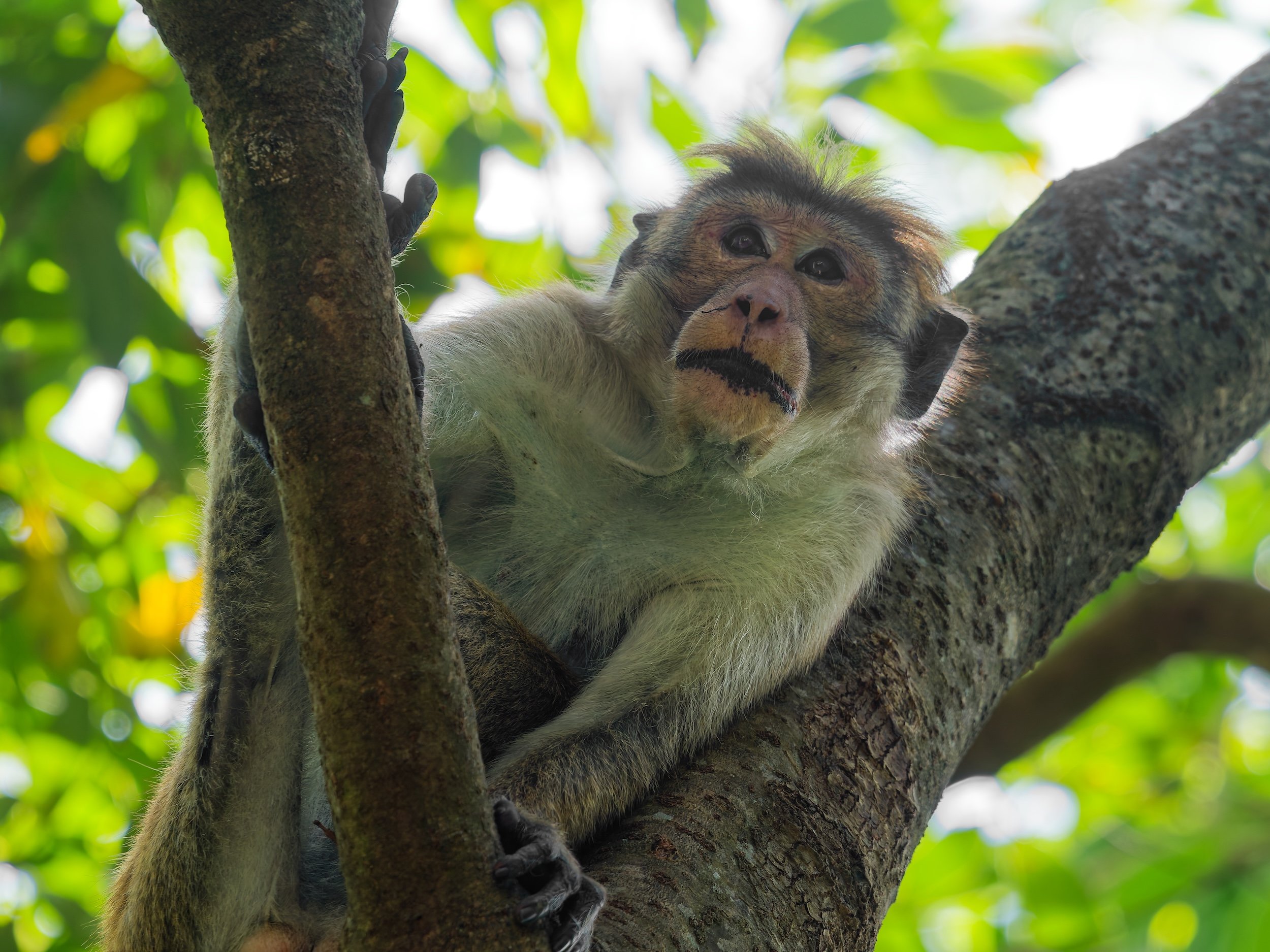
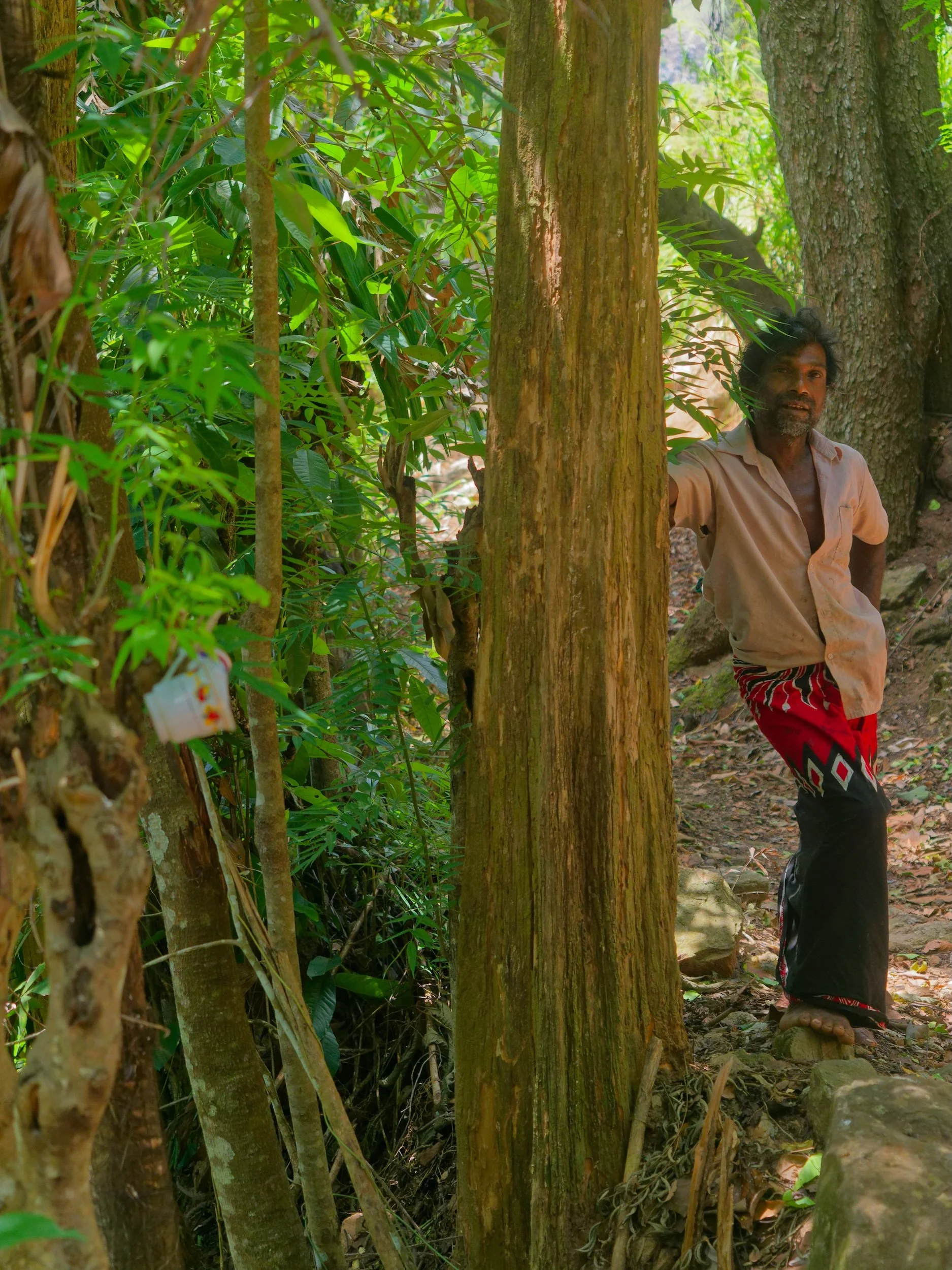
Somewhere in the vicinity of the tourist village of Ella, time seems to have stood still, as if in a painting. I wondered if there was anything authentic to visit. After asking around a bit, I came across Kithul Tapping. I booked a village tour with a short nature walk to a natural swimming pool. No sooner said than done. The agreed time and place were sorted, as was a traditional Sri Lankan lunch, which was included in the price. I set off from the village at around 9.30 am. On arrival, I met the guide. After a short climb, we reached the spot where the Kithul tapper was waiting for us; we descended the hill towards the trees, whilst above us the Toque macaques moved through the canopy.
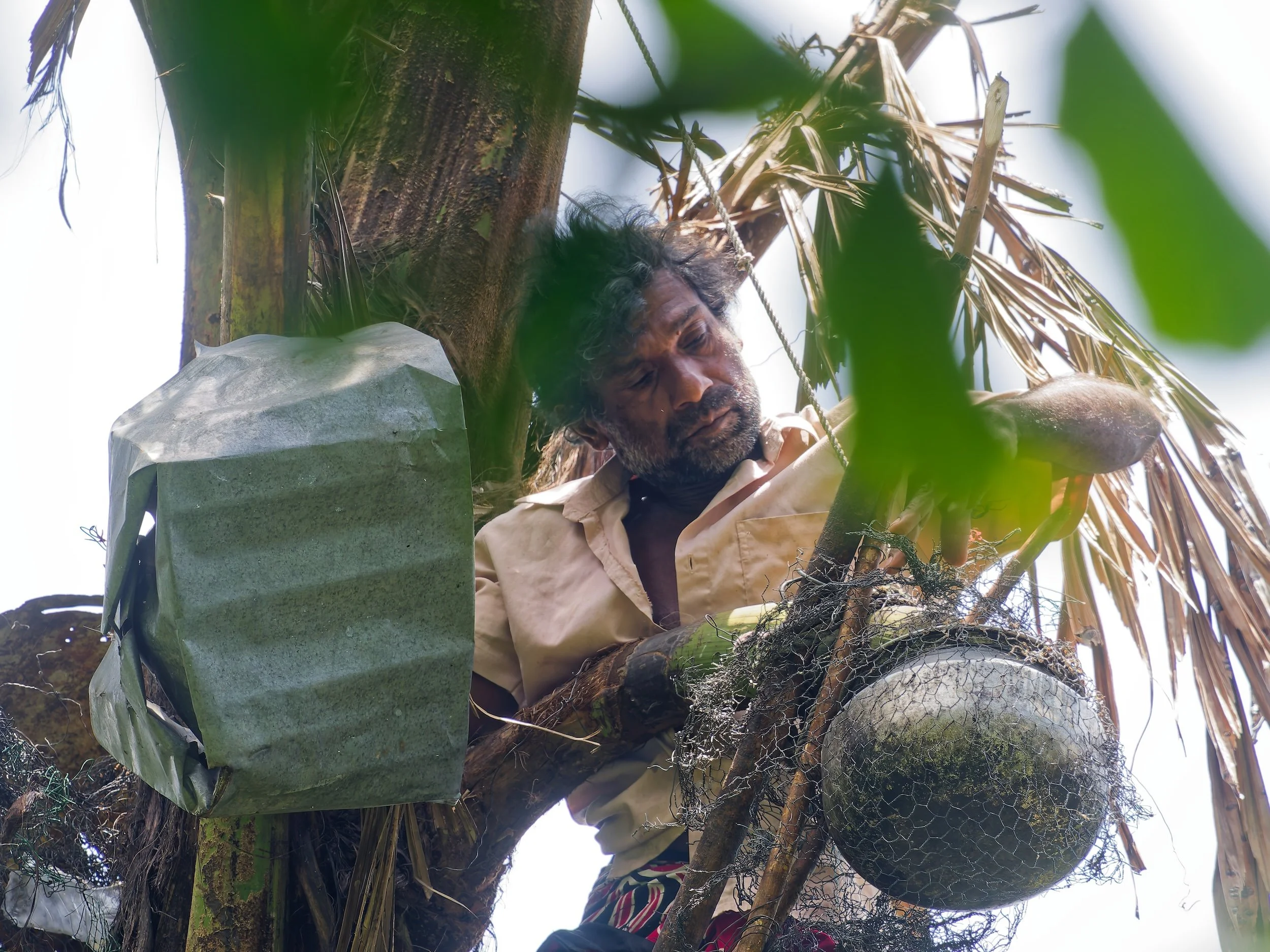
The tapper patiently climbs the Kithul tree; when he reaches the top, he balances on the branches and removes the wire mesh that protects the tree from the monkeys, who also find it a delicacy. A moment later, he hangs his basket beneath it and, using his machete, cuts away a section of the branch so that the sap can flow into the basket; once it is full, he carefully replaces the metal mesh to protect the tree. Slowly, he makes his way back down via various branches. A short while later, we drink his harvest from a coconut shell. After this, we walk towards a small hut; the guide patiently explains what grows in the bushes and trees – from avocados to black pepper – all of which you can discover.
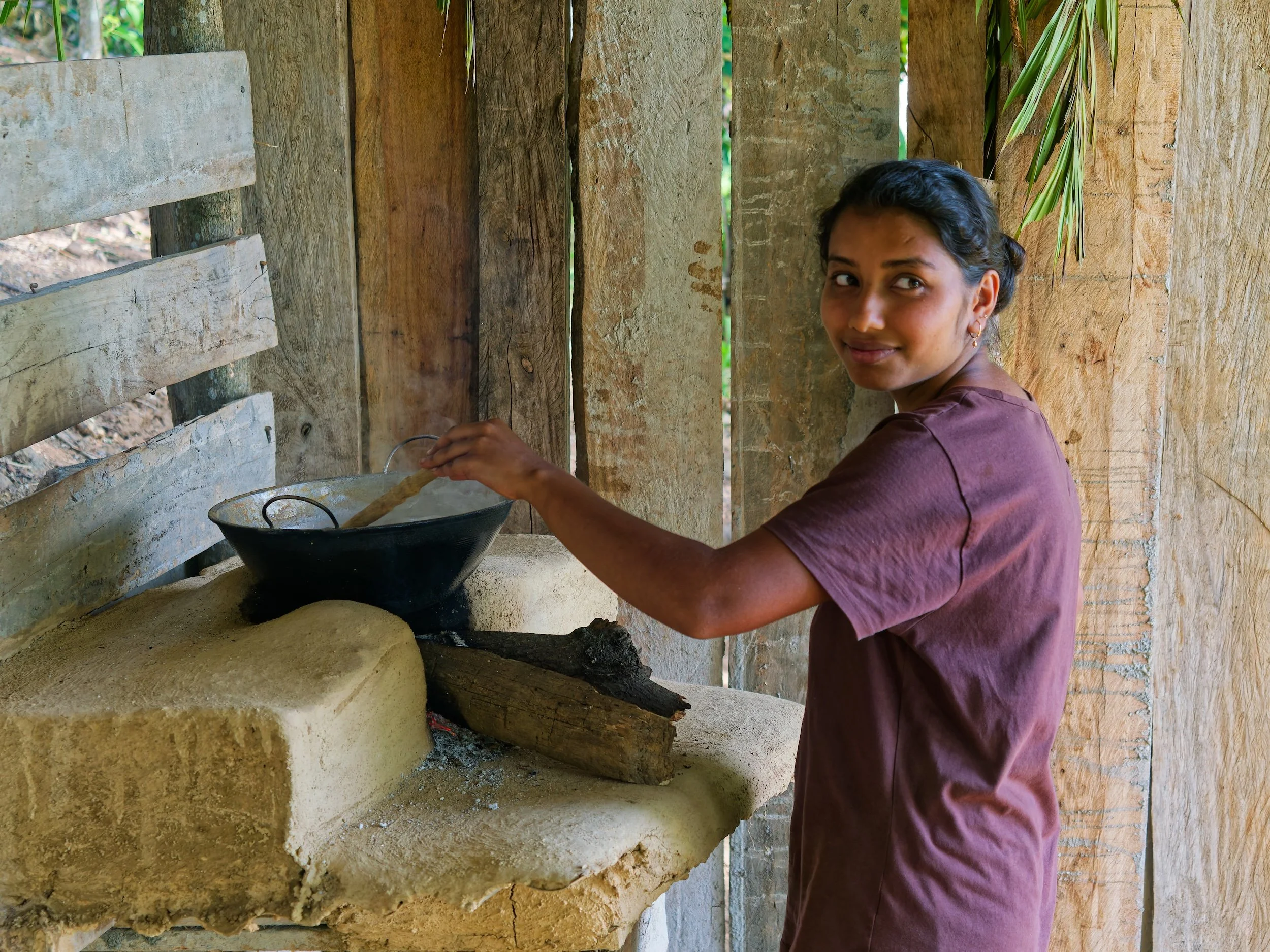
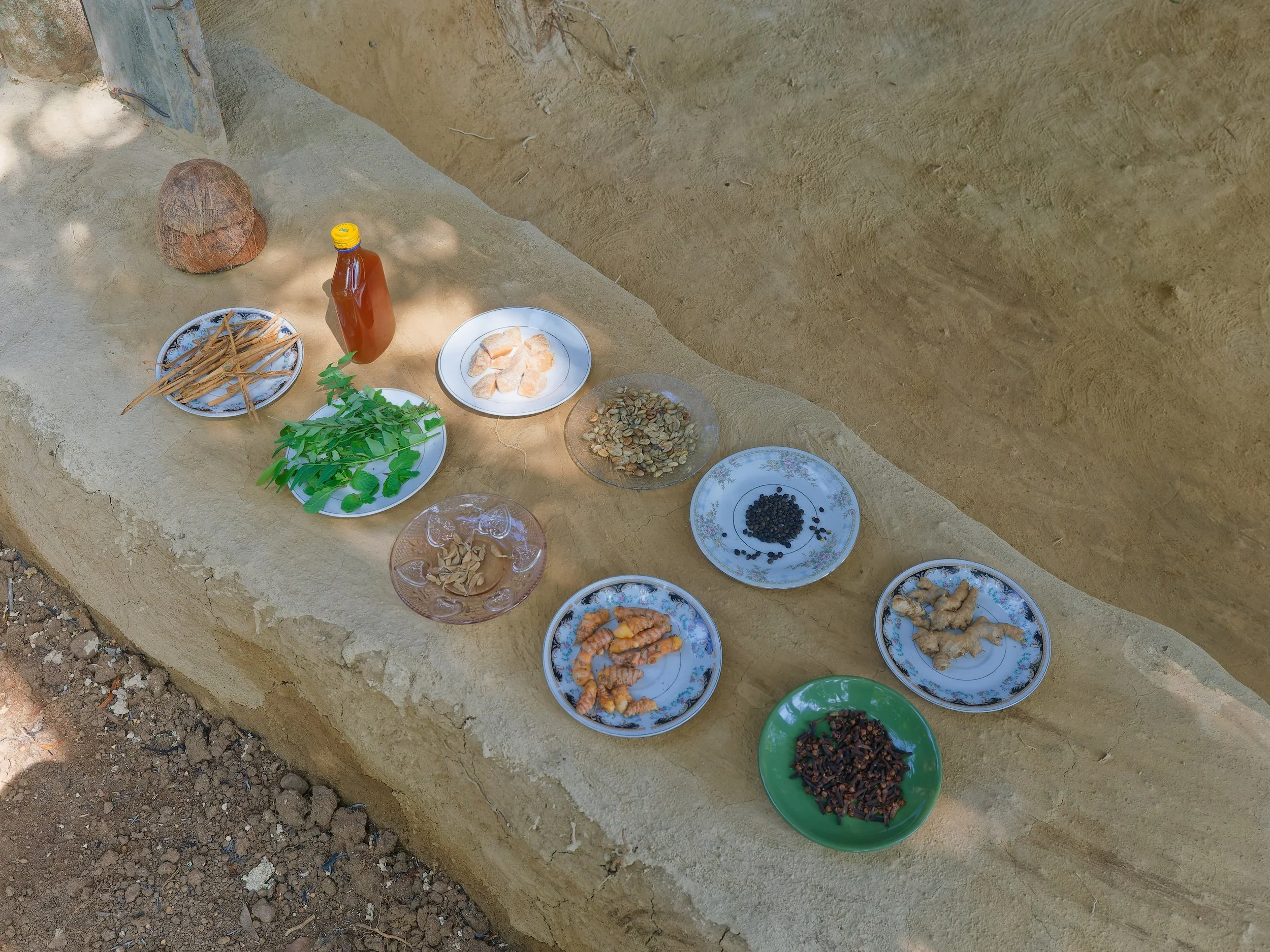
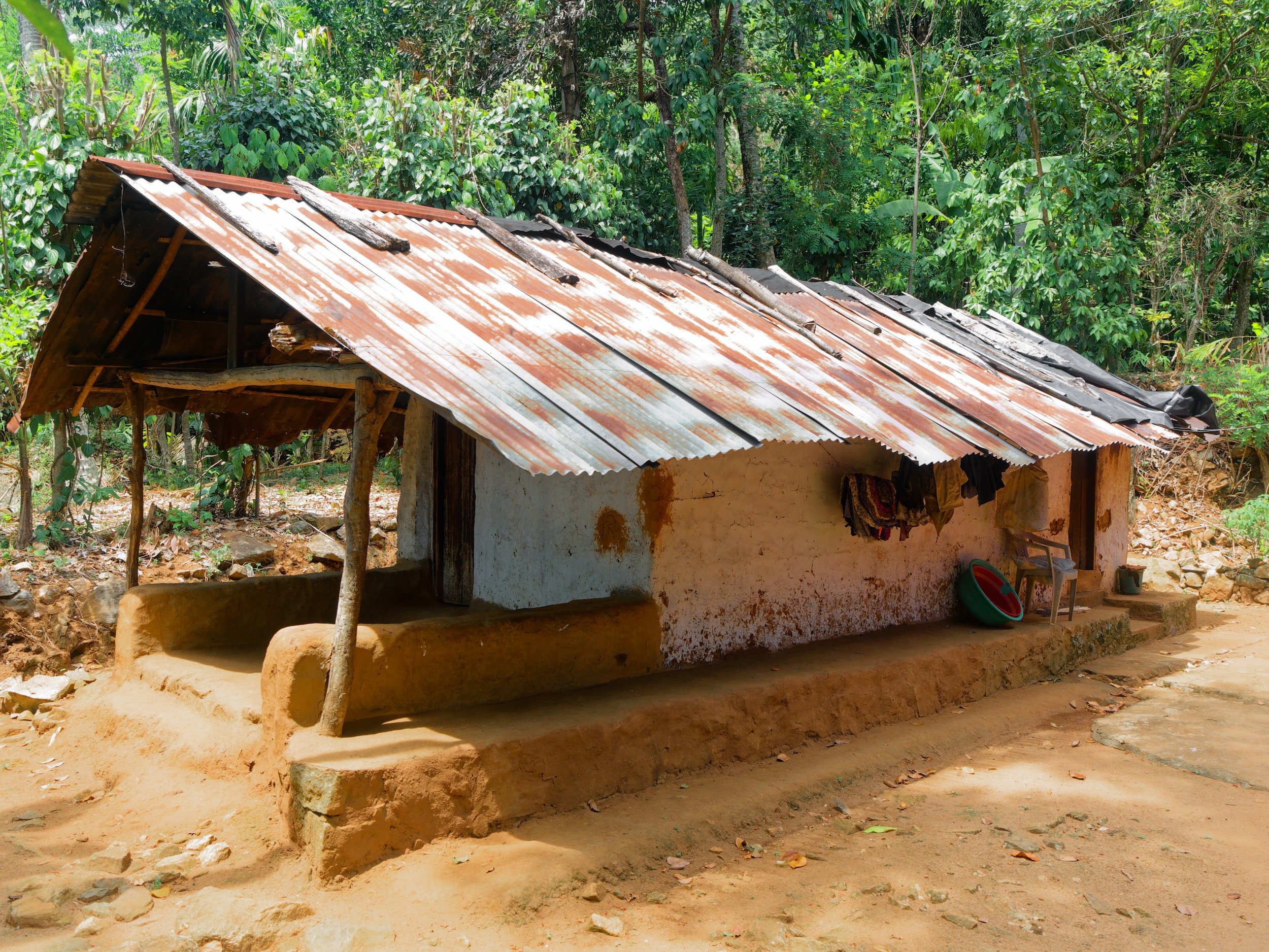
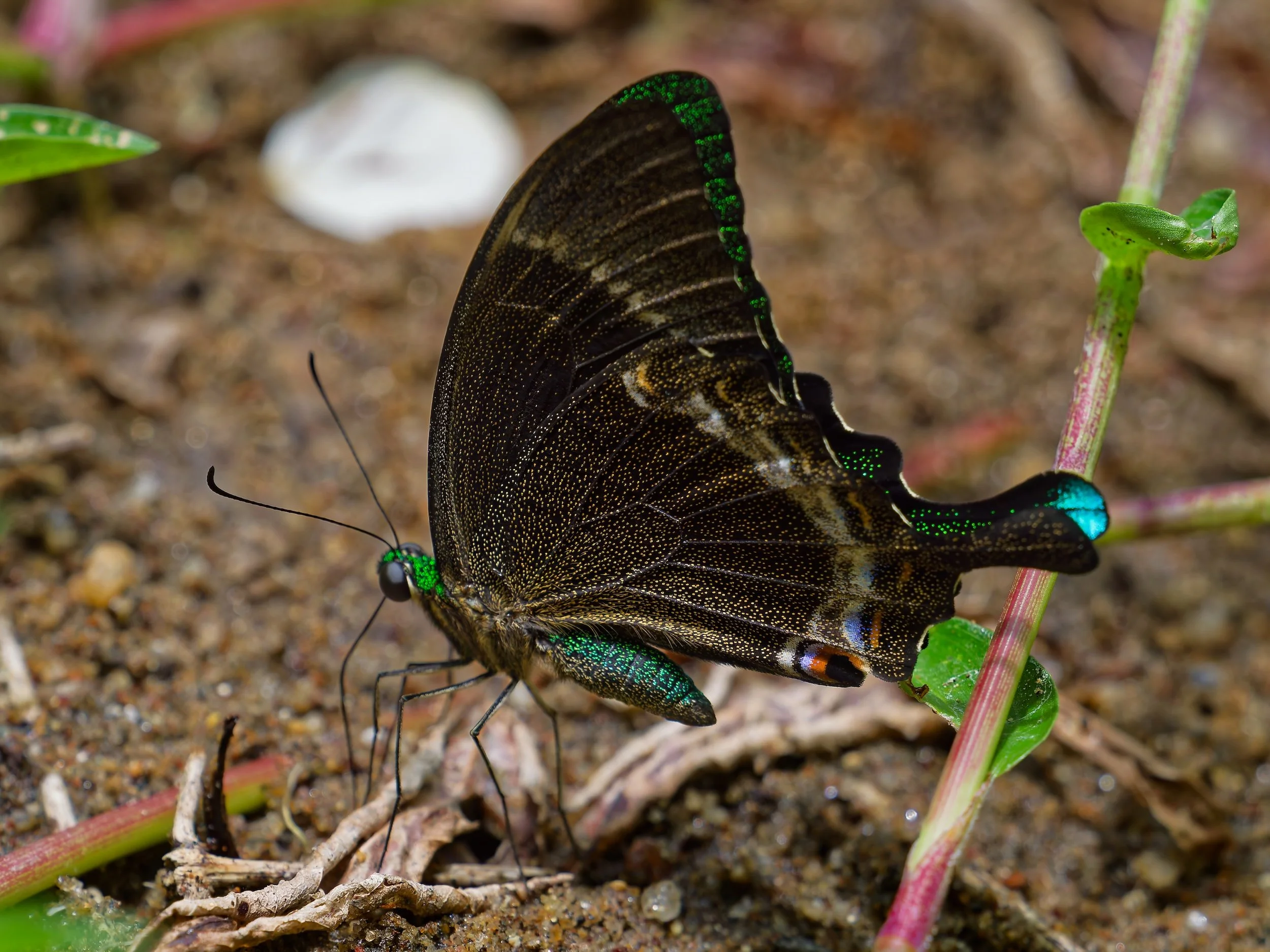
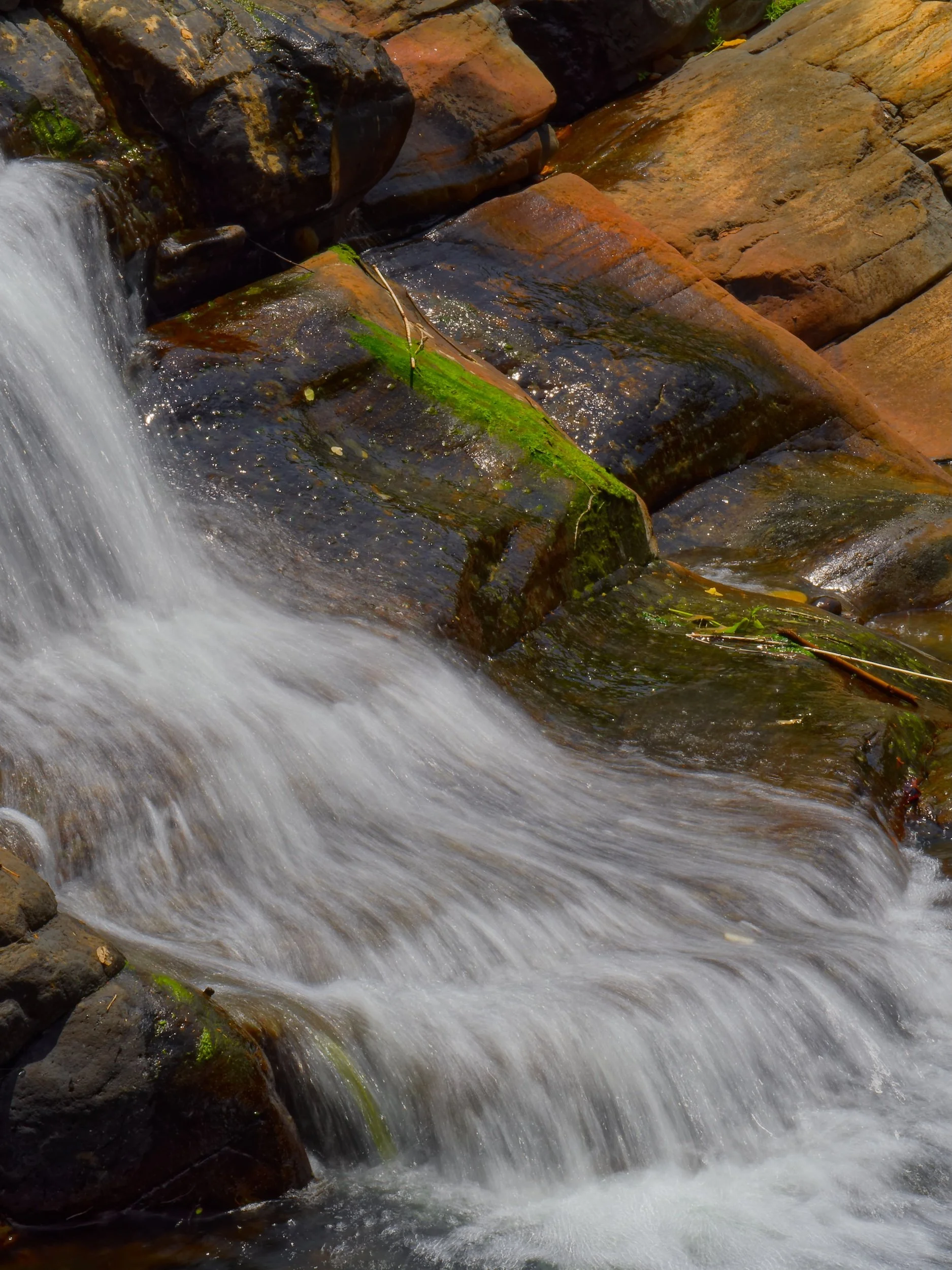
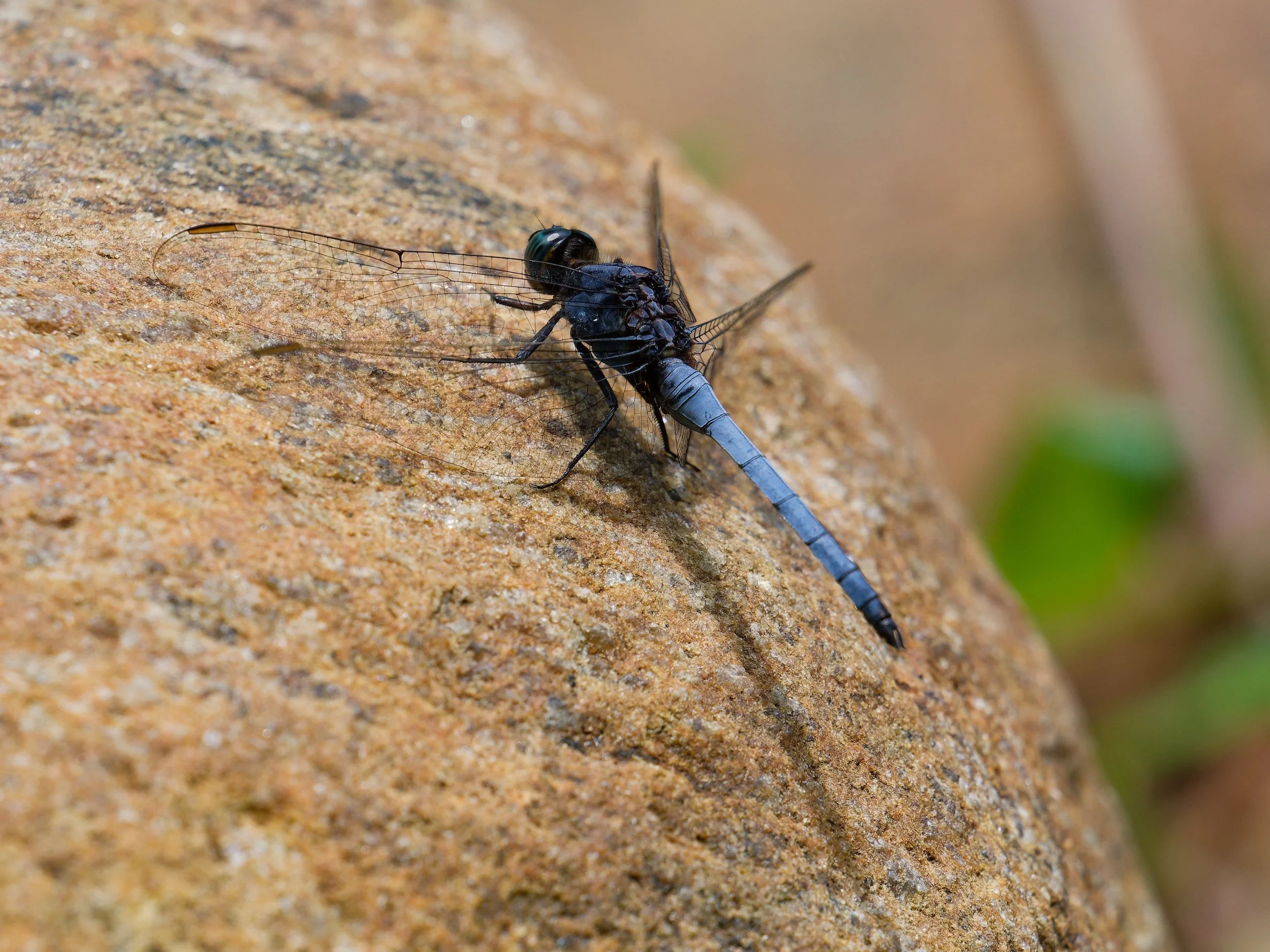
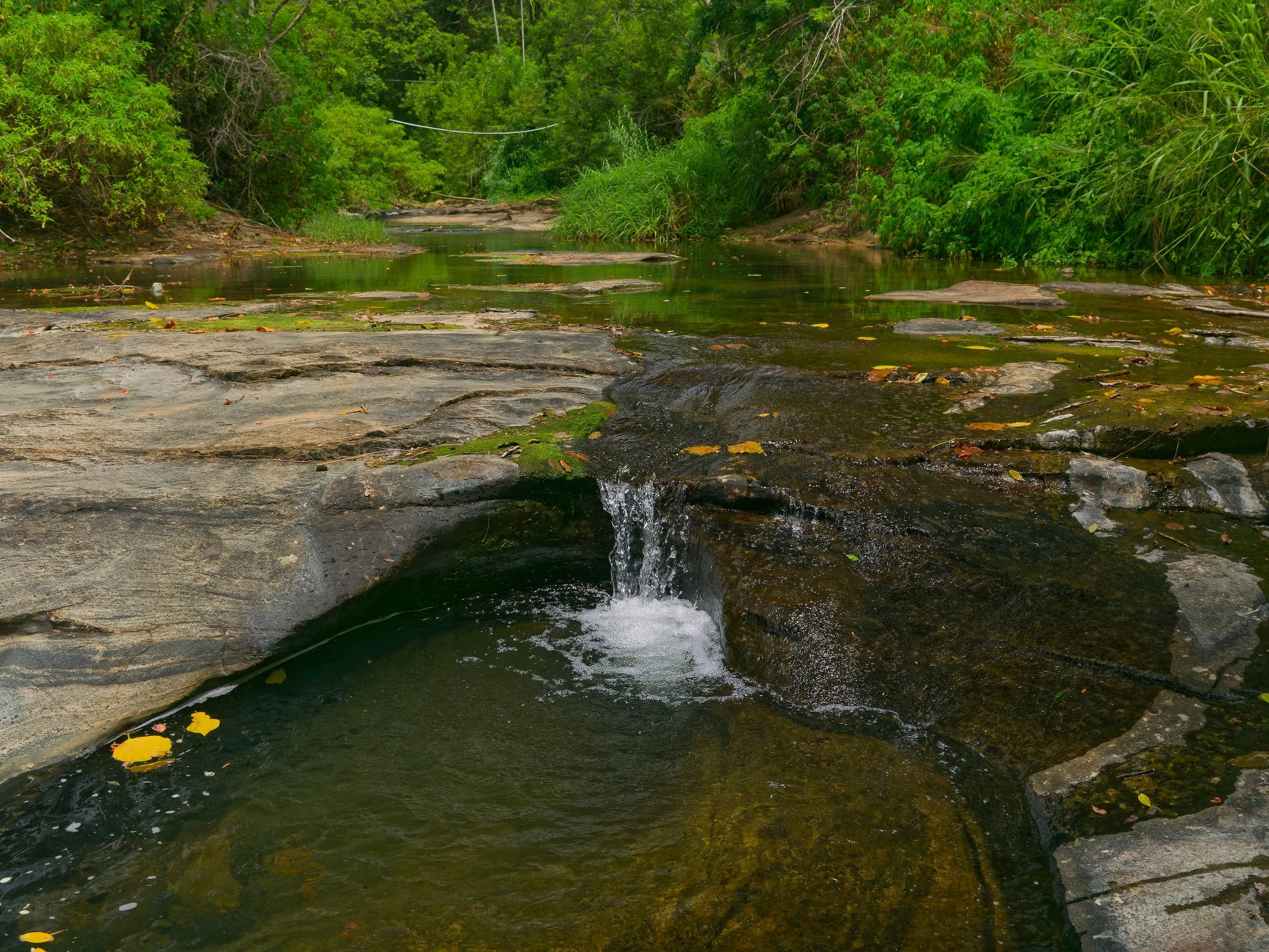
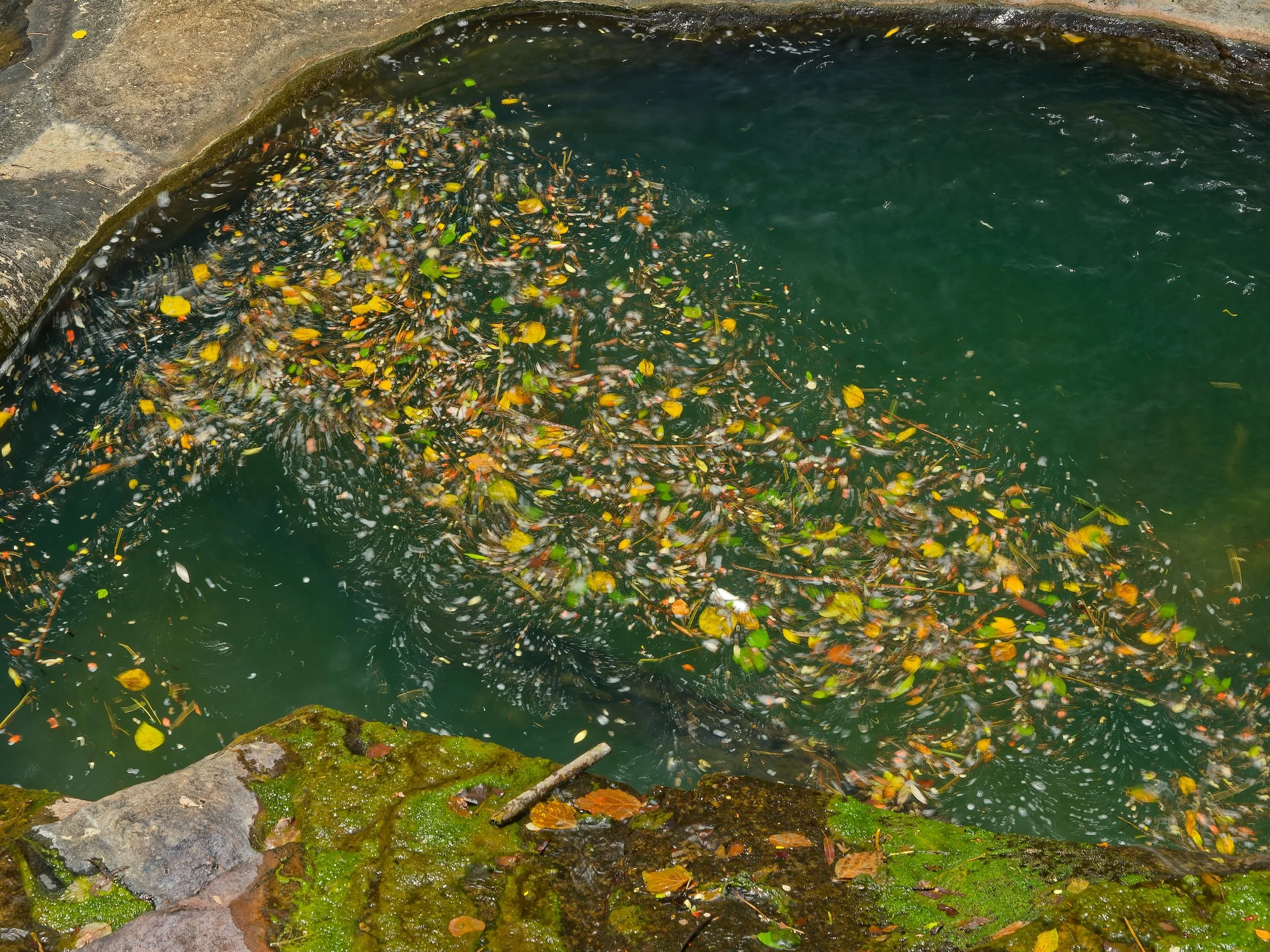
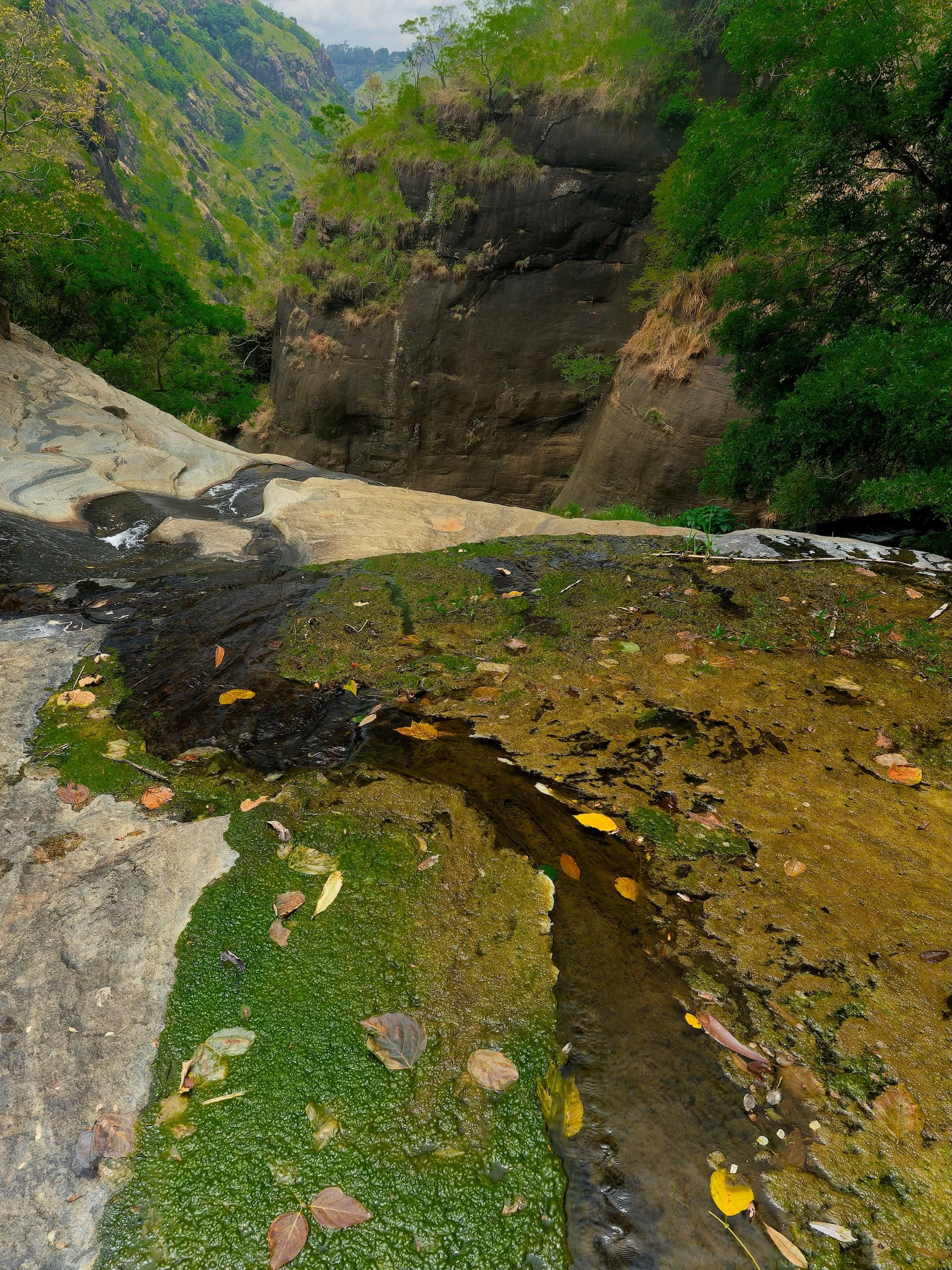
Once we arrive at the hut, we are welcomed by a young lady who is already busy cooking the kithul; the products you can make include kithul treacle, kithul jaggery, kithul flour, kithul toddy and kithul vinegar. Meanwhile, the guide explains all about these and other herbs found there, such as cardamom, black pepper, turmeric, ginger, mint, karapincha, cloves and cinnamon; patiently, he lets us taste and smell the aromas these products give off. After this informative experience, it’s time to set off on a nature walk to the promised natural pool, which is a few kilometres away from where we are now. Once we arrive at the starting point of the walk, we make our way down through the tea plantation along a pleasant natural path, past bushes and with the stream below us that feeds the Ravanna Ella waterfall. For nature lovers, there is plenty to discover by the stream; birds surround you with their song, and with a bit of luck you might spot them up close. There are beautiful species of butterfly, as well as dragonflies and damselflies, in stunning colours. There’s also a chance you might come across a rat snake – fortunately, it’s not venomous. You might encounter other species too, but that’s rare; they’re more afraid of you and will scurry away into the tall grass or bushes. When you reach the stream, the water is surprisingly clear; you can see tiny fish swimming in the shallow water. But make no mistake: during heavy rain, this stream swells into a powerful river that you must take into account. After a refreshing dip and a bit of a swim, we set off on a short walk, following the stream as we head towards the summit where the Ravanna Ella waterfall is located. We cross to the other side via an old, rickety suspension bridge. We enter the stream from the bank and, making our way over slippery stones, reach the spot where, normally when the water level is higher, the waterfall plunges down with dizzying speed and impressive volume during the right season. In a strange spot above the stream stands an abandoned tea factory, slowly crumbling away with the passage of time. It feels as though time stands still here for a moment; no traffic noise or other disturbances, just the wind and the sounds of birds accompanying you on the way back. Ultimately, this is what happiness can feel like: a break from the daily grind. Once we reach the top at the tea plantation, a traditional Sri Lankan lunch awaits us. For a day trip, there’s still plenty to enjoy in this area, which we’ll certainly do again.